

In Part 1 of our 5 part series on flavor, we touched on how the regions of coffee impacted the natural flavor of the coffee we drink. We discussed a few different things, such as what the Coffee Bean Belt was, the 3 main regions that are included in the belt, 6 vital elements needed for coffee growth and how they differentiate depending on their geographical location, and finally we discussed what a coffee flavor wheel was and how to use it to enhance your coffee tasting experience.
In the 2nd part of our series we are going to be introduced to a guide to coffee types. For this guide we are going to discuss the following:
- What is a coffee variety?
- We will break down the main coffee varieties
- Finally, we will see why the varieties differentiate in flavor
What Is a Coffee Variety?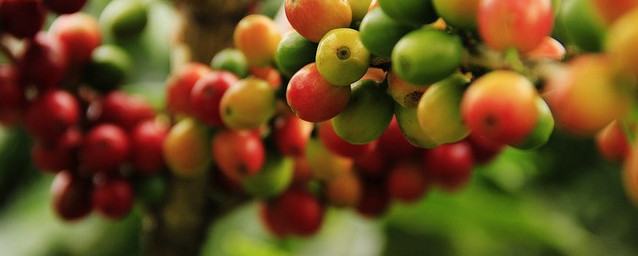
Coffee variety is similar to how we understand wine. We know that when we are drinking a Cabernet from Napa Valley, we are drinking a red grape. However, when we are indulging in a Sauvignon Blanc from New Zealand, we are drinking a white grape. Essentially, there are 3 types of wines – red, white, and rose. Yet they all derive from two types of grapes, red and white grapes. These two types of grapes can be broken into multiple types of grape varieties, from which we get a plethora of different styles of wines. There are multiple styles of grapes, but not all grapes are suitable for wine production. The grapes you eat from the grocery stores are not the same as the grapes used to forge wine. Coffee comes from the genus of plant known as Coffea. Within that genus there are 500 genera and 6,000 tropical trees and shrubs. From all of that there are estimated to be about 25 to 100 species of coffee plants. Reducing things even further down, in the coffee industry there are two main coffee species that are used: Coffea Arabica and Coffea Canephora var. Robusta.
Coffea Arabica
In part-1 we briefly spoke on the region of coffee and how it expanded from Ethiopia. Coffea Arabica is actually a descendant of those original coffee trees from Ethiopia. Arabica coffees are going to be a finer, more mild, aromatic coffee that represents roughly around 70% of the world’s coffee production.
A list of varieties within the Coffea Arabica are:
- Bourbon – deep, buttery chocolate flavors with sweet and light fruity overtones
- Typica – clean and resonant acidity with lemon and floral notes, and a sweet aftertaste
- Caturra – balanced, sweet, and citrus with aromas of maple and honey notes
- Mundo Novo – dark-medium body with crisp, woody, and nutty undertones
- San Ramon – medium acidity, sweet fruity notes, nutty, and a chocolate aftertaste
- Jamacian Blue Mountain – refined and mild with an extreme pleasant sweetness that verges on creamy.
Arabica coffees are typically more expensive and require more care due to them being more prone to disease that Robusta.
Coffea Canephora var. Robusta.
In the scientific world, what we have come to know as Robusta, is actually called Coffea Canephora. To keep things simple, we will just stick with the name Robusta. However, now you know what the actual scientific name is! Robusta is mostly grown in central and west Africa, Indonesia, Vietnam, including other parts of Asia, and Brazil. Unlike Arabica which accounts for 70% of the world’s coffee production, Robusta accounts for only 30%. However, Robusta has about 50-60% more caffeine than Arabica. In addition, it is cheaper to cultivate and less prone to disease. It can be found in most espressos, blends, and instant coffees.
Robusta – bitter, rubbery-grain like flavor, with a peanutty aftertaste.
Despite their off-putting flavor, high quality Robusta beans can add an enriched depth of flavor to a blend of coffee. In addition, Robusta beans are sought after for their lovely crema when it comes to espresso.
Flavor Profile Differences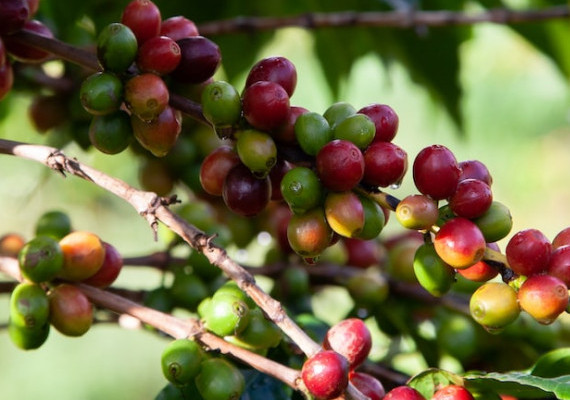
So, being that these are both coffee plants – we may inquire into why they have different flavor profiles. First as we discussed in our previous blog post, the region on land and the elements that are presented, such as rain fall, soil, and procession methods all contribute to the overall flavor profile. However, the structure of the plants themselves are different and their own genetic makeup contribute to the differences in flavor. In short, Arabica has much more complex flavor profiles, due to its shrubs having fewer branches and cherries competing for nutrients. Whereas, Robusta coffee shrubs are bulkier and denser. As mentioned above, Robusta coffees are also easier to grow and less prone to disease, so they require a lot less rigorous growing environment, such as lower elevations, higher temperatures, and more rainfall. While the Arabica coffee shrub, requires a much more intense growing environment. They require more shade, higher elevations, and are often grown with other fruits and plants to help guard them from direct sunlight.
All of this including, where they are grown, the elements, volatile and non-volatile compounds (which we will discuss in a future post), genetic makeup, and other factors contribute to the difference in variety flavor profiles.
Robusta tends to have higher levels of molecules called pyrazines with flavors described as nutty, chocolate, peanut, hazelnut, rancid peanuts, roasted, smoky, rubbery burnt, earthy, grassy, and cooked spinach.
In contrast, Arabica tends to have higher levels of various groups of molecules with sweet, woody, almond, cocoa, rum, fruity, buttery, coffee-like, caramelized, and malty flavors.
Conclusion
In conclusion, we have discussed what a coffee variety is and how we can reduce all the coffee shrubs and trees down to two main ones: Arabica and Robusta. Although there are much more, these two are the ones the coffee industry use to produce all the coffee we drink. Furthermore, we discussed different flavor profiles in Arabica varieties, and the Robusta variety. Then we ended things off with briefly going over despite them being coffee shrubs, why they have different flavor profiles.
In our next post, we will take a deep dive into the processing methods that are used before coffee reaches your cup and how depending on which method is used, it adds to the flavor profile.
If you see anything that you would like further explanation on or have a topic you would like discussed, please feel free to reach out in the comments or email me.
Happy Brewing,
Corey J. Plummer