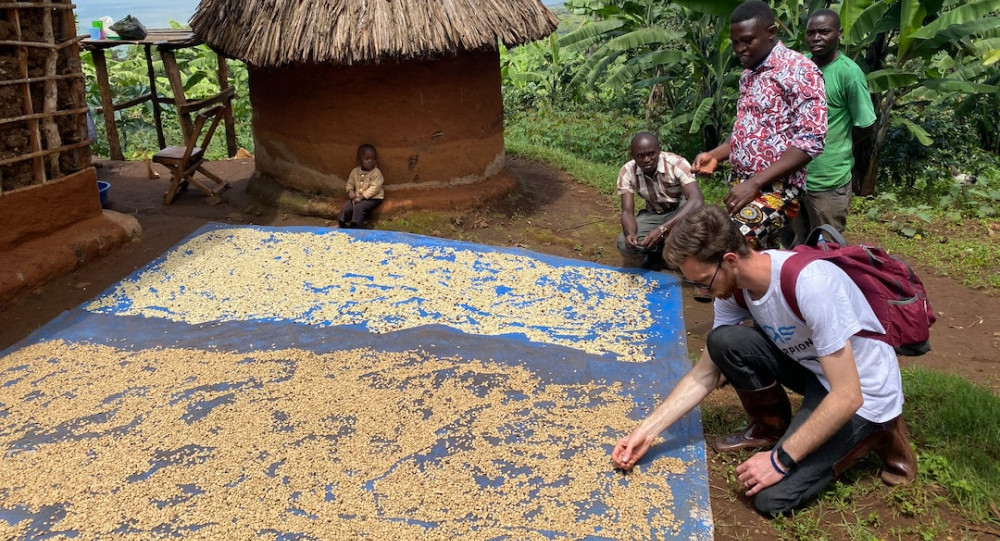
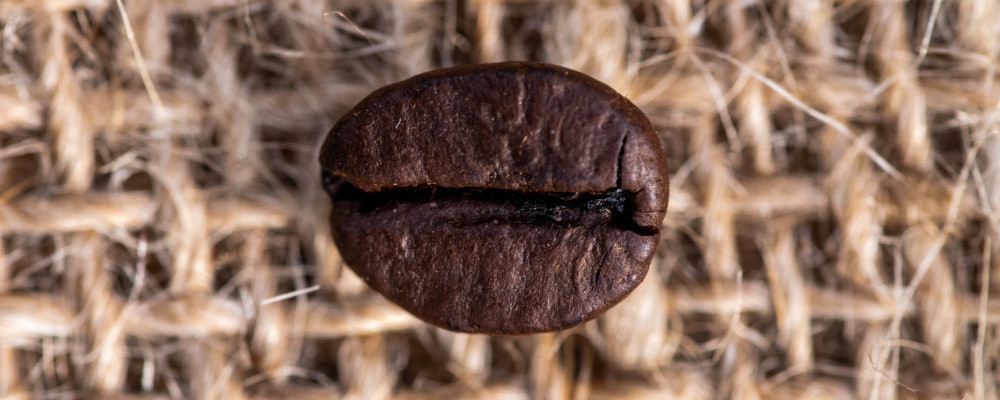
 Welcome to part-3 of our 5-part series on how coffee gets its flavor. We have already discussed how the flavor of the coffee we drink, is impacted by the region it is grown in and the different variety of coffee plants. In the Coffee Bean Processing Methods, we are going to go into detail about the processing methods that are used and how those methods contribute to the final flavor that is in the cup of coffee you drink.
We are going to discuss the following:
- 3 Coffee Processing Methods
- Processes of the Processing
- Chemical Compounds and What They Are
Read on to learn more about these processes.
The 3 Coffee Processing Methods
So we are at the part where after the coffee is grown, its being picked and ready to be processed. What exactly is coffee though before it goes into the cup? In its most basic explanation, coffee is a fruit called a coffee cherry. A coffee cherry has two seeds. These seeds are surrounded by the mescocarp and mucilage, aka the pulp and the exocarp – the skin. The pulp of a coffee cherry has a lot of natural sugars. Depending on the processing method that is used, it affects the flavor differently. Coffee processing is the method used to remove the seeds or beans from the pulp and skin. This can be done in one of three ways. Here is a brief overview of what is happening during the 3 methods.
- Natural Process – Coffee cherry is dried fully in their natural form – skin and all.
- Washed Process – Skin and pulp is removed before being dried.
- Honey / Pulp Process – In-between both above – skin is removed but pulp remains before being dried.
In the natural and honey processes, the pulp left on undergoes a reaction that alters the chemical composition of the green beans, equating to more sweetness.
Now, what determines what process is used? Well that depends on who’s doing to processing. One of the major things that is looked at is the amount of rain fall. Too much rain after a period can cause the seeds to split and therefore naturally the sugars begin to wash away, this make the natural process method difficult. However, if it hasn’t rained too much then the seeds have their sugars and therefore, the natural process and honey process can be great routes to go.
Processing Goes Through a Process Itself
Here is some processing that is naturally occurring in coffee as its being gathered and before it is processed.
- Coffee cherries are picked during their ripe period. This is done right when they are about to germinate, which is when natural sugars are starting to break down.
- Natural and honey processed coffees are sweeter than washed process coffees because of the fermination of sugars in the pulp.
Some notes about fermination.
The processing of fermination for the natural process method, causes not only sweetness, but also fruity, floral, and caramel notes in the coffee.
Because the washed processed has a much cleaner process, remember the skin and pulp are removed before being dried, the coffee shows more of the individual notes of that coffee.
In the honey process with the skin removed, there are more sweet, buttery, and nutty notes.
Fermination can be tricky though and must be controlled. If it isn’t, you will get a very bitter and sour coffee. There must be a balance between the germination and fermination of the coffee process.
Aromatic Volatile Compounds
Regardless of how the coffee is processed there are natural chemicals – called chemical compounds. Many things attribute to the chemical compounds, such as the region the coffee is grown in, the variety of coffee, the roasting process (which is discussed in part 4), and more. The compounds don’t just affect flavor, but also aftertaste, acidity, and the body of the final cup. These chemical compounds are in the green coffee beans that are the result of the processing method. However, once the coffee is roasted there is a chemical transformation that occurs, which is different from the green beans. We will discuss more on this in part 4 Roasting of our 5 part series.
What we really need to know at this point, is that these certain compounds, called aromatic volatile compounds, are produced by transformations of the chemicals that naturally occur in green coffee beans. Certain compounds during the roasting process create sweet and caramelized aromas and others produce spicy aromas and aroma affects the overall flavor. Here’s why this is important to the processing method – because the amount of volatile compounds that are present during the roasting process, is due to the processing method originally used.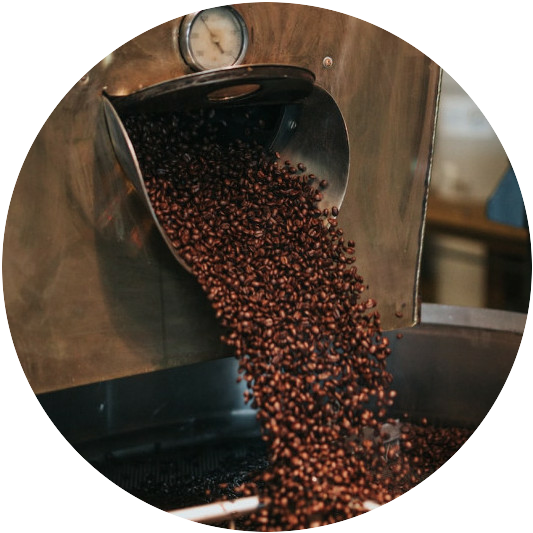
The Roasting Process
As you can clearly see there is such a direct connection between the processing method and the roasting process of coffee, that its almost impossible to pull them apart. Essentially, the flavor and aromas are developed fully during the roasting process, but the amount of compounds present is due to the processing method used. Though the two are so closely related it would make sense to expand on the roasting process here, but due to the amount of important information that needs to be covered, it makes sense to allow roasting to have its own part. Roasting after the processing method is when we can start to manipulate more of the flavor of the final cup.
Conclusion
We have gone through a very detailed, but still brief, explanation of the three processes that can be used to get to the final green bean. Those three processes once again are:
- Natural Process – Coffee cherry is dried fully in their natural form – skin and all.
- Washed Process – Skin and pulp is removed before being dried.
- Honey / Pulp Process – In-between both above – skin is removed but pulp remains before being dried.
We briefly discussed fermination and germination and why those need to be balanced. In addition, we went over chemical compounds that are a result of many things such as variety, region, and the roasting process. Finally, we talked very briefly about how depending on which process method was used, it affects the chemical transformations during the roasting process.
In our next post, we will take a deep dive into the roasting methods that are used before coffee reaches your cup.
If you see anything that you would like further explanation on or have a topic you would like discussed, please feel free to reach out in the comments or email me.
Happy Brewing,
Corey J. Plummer