
If you’re a coffee lover, you might already know there’s a whole adventure behind every cup you sip. It’s not just about the beans themselves or the barista behind the counter. From the farm where coffee grows as a bright red cherry, to the roasting machine, and finally to your mug, every step has its own vibe and impact on flavor. I’m going to walk you through exactly how coffee travels from farm to cup, what matters along the way, and a few insights that even some seasoned coffee drinkers miss.
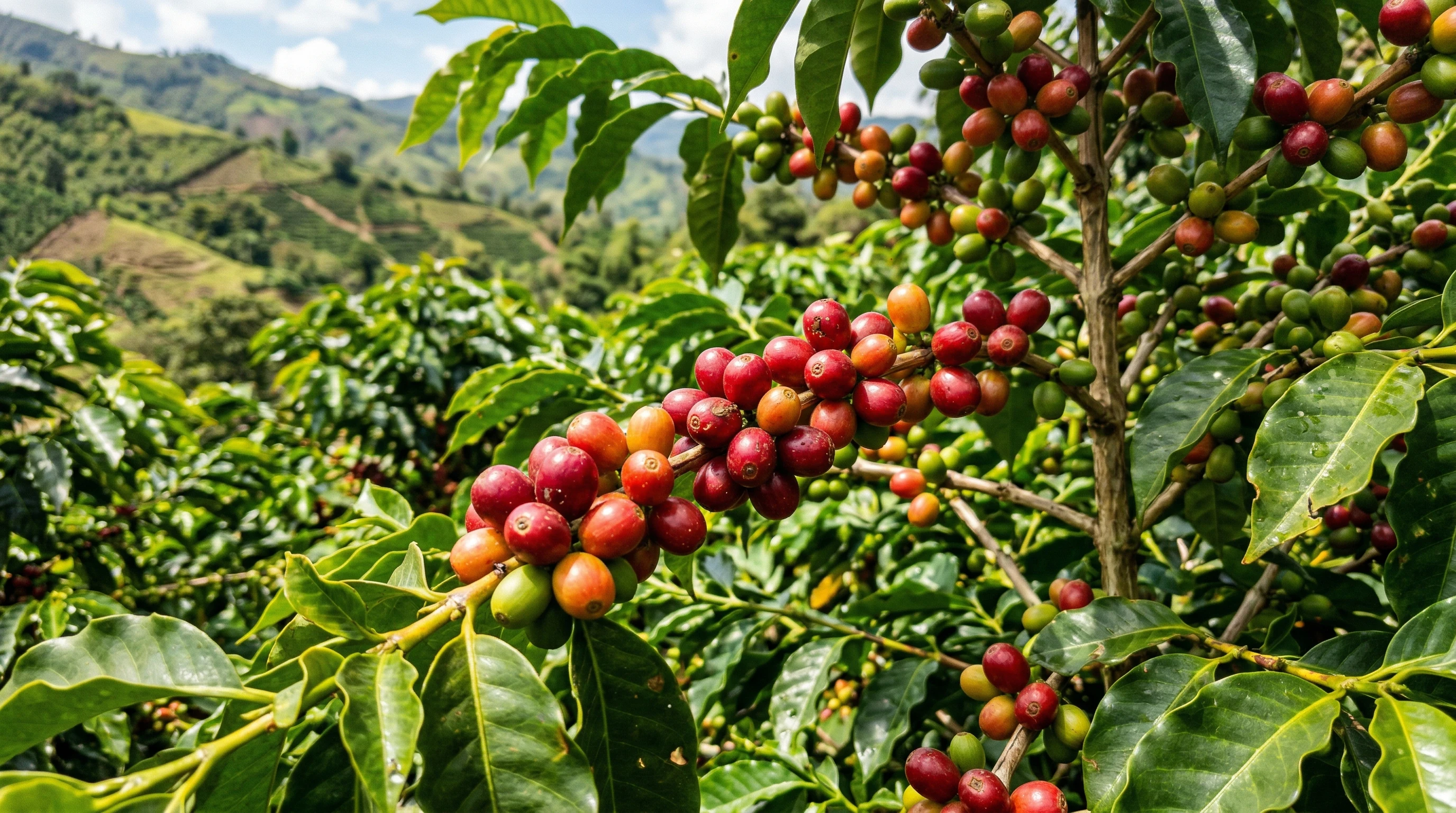
1. From Farm to Bean: Where Coffee Begins
Most people are actually unaware, that coffee doesn’t start of as a bean. Instead, it grows as a fruit called a coffee cherry. Inside every cherry are two seeds, which eventually become green coffee beans, which are then roasted into the brown colored beans we are used to. Where these cherries grow makes a big difference in how your coffee tastes. Climate and altitude have a massive influence, which is why regions like Ethiopia, Colombia, and Kenya have built their reputations around distinct flavors.
When the cherries are ripe (usually bright red or deep yellow, depending on the variety), they’re picked either by hand or, in larger farms, sometimes by machine. Handpicking is more precise, but also more labor intensive, so you’ll see it done more often with specialty coffee. Once picked, the cherries have to be processed quickly to avoid spoilage. Processing is basically how the fruit is removed, and it’s a pretty big deal for how the finished coffee tastes.
- Washed Process: The fruit is removed right away, and the beans are washed and fermented in water. This leads to a clean, bright cup that really lets the origin and unique notes shine through. If you love crispness or want to taste the unique touch of a region, this is worth checking out.
- Natural Process: The cherries are dried whole under the sun before the fruit is stripped away. This method brings out sweeter, more fruity flavors and can make coffee taste a bit bolder or more wild.
- Honey Process: Somewhere in the middle, some fruit pulp is left on the bean, and it dries that way. This process creates a balanced cup with both sweetness and complexity. You get a cool mix of fruit and clean flavors.
After processing, the beans are dried (either on patios, raised beds, or mechanical dryers) until they have a stable moisture content. Here we are looking for their moisture content to drop to about 10-12%, which can take about 1-12 weeks. The end result is what’s called green coffee. These are dense, grassy smelling beans that are ready for export. The way green coffee is handled and stored is really important, because poor storage can give you stale or even moldy flavors later on.
2. From Bean to Roast: Where the Magic Happens
Green coffee is pretty unremarkable on its own. Though there are those who have tried and say you get a much more grassier and herbal taste than coffee. If you munched on a raw bean, the flavor would be starchy and vegetal. Roasting transforms those little seeds into what becomes your morning brew. Most green coffee gets shipped in big burlap bags to roasting facilities all around the world, from small specialty roasters to major commercial operations.
Roasting is basically using heat to bring out the flavors trapped inside each bean. As the temperature rises, sugars caramelize and natural oils come to the surface, which gives our coffee that irresistible aroma and complex flavors. Roasters are always tweaking times and temperatures to bring out specific traits from a coffee’s origin or variety.
- Light Roast: Preserves more of the original origin flavors. These coffees are bright and acidic, letting regional fruit, florals, or spices pop. If you’re curious about the true personality of a coffee, this is a good place to start.
- Medium Roast: Offers a balance of origin flavors with a bit of sweetness and roundness from the roast. These are crowdpleasers; smooth, sweet, with a bit of toasty notes.
- Dark Roast: Has deep, bold, almost smoky flavors. The roast character really stands out, making for a coffee that’s strong and intense. Sometimes, the origin notes are buried, but some folks really dig the richness here.
The choices made at this stage really shape what you taste in your cup. Even small differences in temperature or roast duration can highlight or hide certain notes, like making a coffee taste chocolatey or making the fruit dance on your tongue. Different roasters can take the same green coffee and create entirely different drinking experiences from it.
3. From Roast to Cup: Brewing and Flavor
Once coffee is roasted, it’s off to cafés, stores, or your kitchen pantry. The next phase is where you get to play around and really see all the previous work come together. Before you brew, you’ll need to grind the beans. This part is super important since grind size changes the speed water moves through your coffee. Too fine and your brew gets bitter; too coarse and it’s flat or sour. Fresh grinding right before brewing makes a big difference in flavor, since ground coffee goes stale pretty quickly.
Brew method is next. Whether you love a Chemex for clean, bright flavors, an AeroPress for a strong, punchy cup, or a classic drip machine, each tool shapes the outcome. Other factors matter too:
- Water Quality: Simple, but really important. Tap water with odd flavors can mess with your cup. Filtered or soft water brings out the best in any coffee.
- Brew Time: How long the water is in contact with your coffee changes everything. Longer brew times usually mean more extraction, while shorter times keep it light and bright.
- Ratio (Coffee to Water): Using more coffee or less water means a stronger cup, while more water or less coffee keeps things mellow. Tweak this to find what you like best. My guide is to always follow a 1 gram of coffee to 17 ml of water.
Your final cup is the result of every decision made along the chain from the farm all the way through your grinder and kettle. If the green coffee is lowquality or the roast isn’t handled right, even the fanciest brewing setup won’t save it. And tiny tweaks early on, like picking riper cherries or using a slower roast, can totally change your morning coffee routine. Pretty wild when you think about it. You might even want to keep tasting notes for a while, as it helps you spot what you actually like best. Anyone can find a blend, roast, or brew method that’s just right for them with some experimenting.
Brew at Home: Getting Started With Great Coffee
Most people start out brewing coffee at home with a drip machine or a French press. Both are solid, but if you want to see what’s really possible, experimenting a little is worth it. Try brewing the same beans as both a pourover and a French press, or play around with different grind sizes. A conical burr grinder gives you more even particles and better control compared to a blade grinder, which means fewer surprises in your cup.
- Chemex: Makes a clean, delicate brew that’s easy to tweak. The thick filter paper keeps bitterness down and highlights floral or bright flavors.
- AeroPress: Super quick and flexible. Good for experimenting and travel. You can go strong for espresso-style shots or dilute it Americano-style.
- French Press: Creates a full-bodied and robust cup. The metal filter lets more oils and fines slip through for a richer experience.
No matter what route you take, using fresh beans, filtered water, and paying attention to your grind size will amp up the quality right away. If you want to step up your game, consider investing in a scale to measure your coffee and water—it adds consistency with hardly any fuss. You can also try playing with water temperature by using a kettle with temperature control to reveal new flavors in your favorite beans.
Things to Watch for Along the Adventure
There are a few hurdles and quirks in the world of coffee, especially if you’re just stumbling upon the behind-the-scenes process. Here are some quick tips and facts to help you get the most out of your coffee, from the farm right to your mug:
- Bean Storage: Keep your beans in a cool, airtight container. Light, air, and moisture are your coffee’s worst enemies. Skip the freezer; a pantry works great.
- Freshness: Coffee starts losing its punch quickly after roasting. Try to use it within a month of roast if you can, and grind right before brewing. If your coffee tastes a bit flat, try a fresher bag next time.
- Sourcing: Specialty coffee roasters are often open about the farms they buy from. If you want to trace your cup back to its roots, shop from small roasters and look for info on labels.
- Experimenting: Don’t be shy to try new processes, origins, or brew methods. Switching it up keeps things interesting and helps you find what really clicks with your taste buds.
- Grinding Consistency: A uniform grind size means less bitterness and a balanced flavor. Invest in a burr grinder if you’re serious about quality.
- Explore Local Roasters: Check out what your city or nearby region has to offer. You might stumble upon coffee you never expected.
One thing I’ve learned is there’s always something new to try in coffee. Even the smallest switch—from temperature while brewing, to whether a farm uses washed or natural processing—can change the story in your cup. Plus, the growing trend of directtrade lets you support farmers a bit more directly and track down unique lots each season.
Frequently Asked Questions
People always have questions when it comes to the coffee adventure. Here are a few I hear pretty often:
How does altitude affect coffee flavor?
Higher altitudes slow down the growth of the coffee cherry, packing more sugars and unique flavors into each bean. Coffees from high altitudes often taste brighter and more complex.
Can you spot the processing method just by tasting?
With a bit of practice, you can make out certain signs. Washed coffees are usually cleaner or more acidic, while natural coffees bring out big, fruity or boozy notes. Honey process is somewhere in the middle. It’s worth running your own tasting side by side to see the difference.
Is dark roast stronger than light roast?
In terms of caffeine, not really! The difference is mostly in taste. Light roasts keep the origin’s brightness and acidity, while dark roasts taste deeper and more toasty. Go with what you like best.
How much should I care about water?
Water can be a game changer, especially if your tap water tastes weird or has a lot of minerals. Even basic filters make a difference. Soft water brings out more subtle notes, while hard water sometimes muddies the flavors.
Wrapping Up the Coffee Adventure
From farm to mug, every stage of the coffee process shapes what ends up in your cup. There’s a lot of care, curiosity, and hard work that goes into making a great coffee—from picking ripe cherries to dialing in the perfect brew at home. Playing around with beans from different regions, picking your preferred roast style, and learning what variables you like in your brew routine keeps things interesting, no matter how long you’ve been a fan. The deeper you dig, the bigger your appreciation can grow for that next delicious cup. Keep checking out new origins and methods, and before long, you’ll have a knowledge base and palate to rival any coffee pro.
Happy Brewing,
Corey J. Plummer