
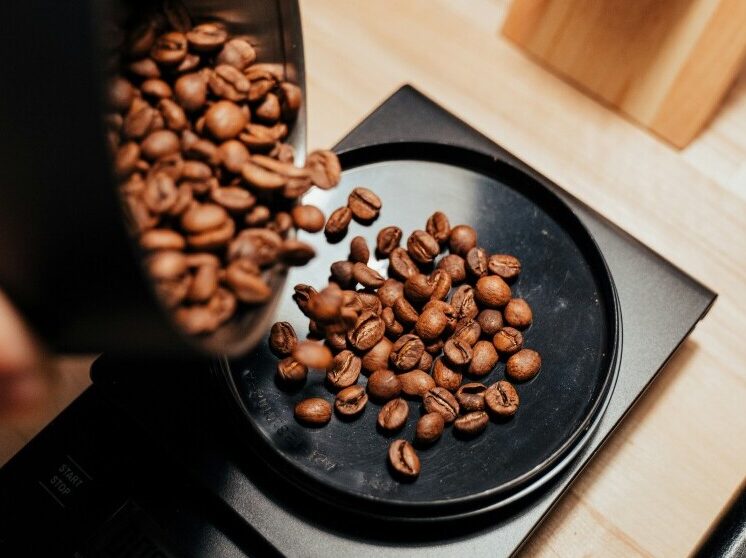
If you’re like me and love a great cup of coffee, you might have come across the term “specialty coffee” and wondered what makes it special. Specialty coffee isn’t just a trendy phrase used by hip cafes; it’s an entire approach to coffee that focuses on top level quality, ethical sourcing, and giving you unique flavors you probably won’t find in your average supermarket blend. I’ve spent time tasting, researching, and even chatting with coffee roasters, and I want to share what makes specialty coffee stand out and why it really matters for anyone who cares about both taste and transparency.
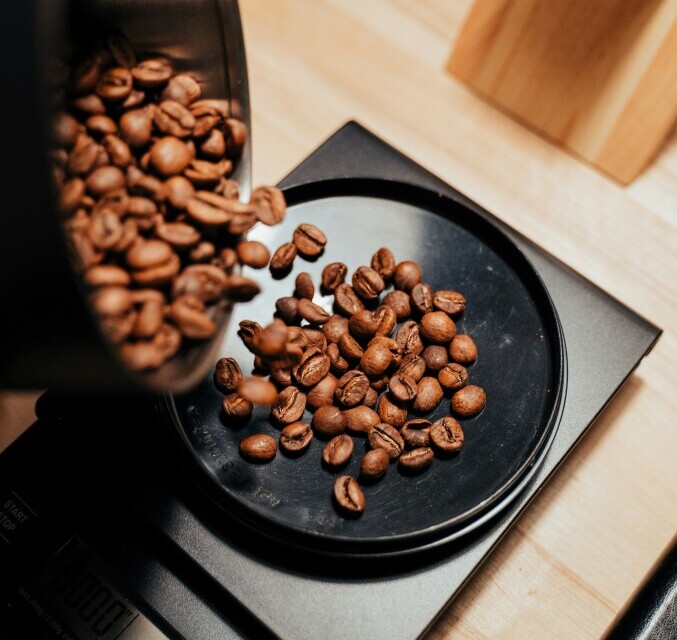
What Exactly Is Specialty Coffee?
Specialty coffee refers to coffee that scores 80 points or above on a 100 point scale, as rated by professional tasters known as Q-graders, certified by the Coffee Quality Institute. This coffee is free from major defects and offers flavor clarity, balance, and complexity that’s impossible to achieve with mass produced beans. Specialty coffee is typically sourced from specific farms or regions, sometimes even from one variety on a single plot of land. It’s meticulously grown, picked, roasted, and brewed to bring out the best flavors possible.
To earn the “specialty” label, each coffee batch is evaluated for aroma, taste, aftertaste, acidity, body, and overall balance. Any coffee with primary defects, like black or sour beans, is immediately disqualified. Only a maximum of five minor defects is allowed per 300 grams. These high standards are set by organizations like the Specialty Coffee Association (SCA) to make sure what ends up in your cup is the absolute best.
Why Should You Care About Specialty Coffee?
The promise of specialty coffee goes far beyond just a better tasting cup. For professionals in the coffee arena, the real value comes in three areas. First, the unique flavors bring new experiences to each brew. Second, the transparency in sourcing helps support ethical and sustainable practices. Finally, knowing how much effort goes into every bag of specialty coffee makes each sip feel more meaningful. If you want to get more out of your coffee ritual, understand what’s in your mug, and make purchases that have a positive impact, you’ll find specialty coffee has real benefits.
Key Aspects of Specialty Coffee
- Grading System: Certified Q-graders taste and rate coffee beans on a 100 point scale, taking into account specific categories like aroma, taste, aftertaste, body, and balance. Coffees must score at least 80 to be called “specialty.”
- Traceability: Beans come from named farms or regions. Often, I see details about the farmer, exact plot of land, and the variety used. Knowing the origin means more transparency and a connection to producers.
- Quality Standards: Zero primary defects are allowed, and there’s a strict cap on minor defects. This keeps quality super high compared to commercial coffee that often allows dozens of defective beans per batch.
- Better Taste: Specialty coffee brings a range of complex, interesting flavors—think fruity, floral, nutty, or chocolatey notes. As the coffee cools, these flavors often change and become even more pronounced.
- Sustainability: Specialty coffee supports fair trade, ethical sourcing, and farmer wellbeing. Many roasters work directly with growers, helping improve livelihoods while caring for the environment.
These aspects aren’t just checkboxes; they genuinely shape the drinking experience and make a real difference in coffee communities worldwide.
A Brief History: How Did Specialty Coffee Start?
Specialty coffee as a concept kicked off in the United States during the 1970s. Before that, coffee was mostly viewed as a cheap, bitter commodity. In the 1974 issue of “Tea & Coffee Trade Journal,” the term was first used to describe high quality beans sourced from unique origins. Since then, it has grown into a global movement backed by major organizations like the SCA, with cafes, roasters, and farmers all striving for excellence.
Over the years, I’ve seen specialty coffee become more accessible, showing up in local roasteries and even at home through subscriptions. This growing interest has encouraged producers to invest in better cultivation and farming practices. They’ve raised the global standard for quality and ethics, which benefits everyone involved, from farmer to consumer.
Comparing Specialty Coffee to Commercial Coffee
Understanding the difference between specialty and commercial coffee is really important for making informed buying decisions. Here’s a closer look at how they stack up:
- Origin: Specialty is usually single origin with detailed sourcing info. Commercial coffee blends bean types and sources, making it harder to trace.
- Quality Control: Specialty beans are handpicked, sorted, and carefully roasted. Commercial coffee often includes defective beans and uses lower grade blends.
- Taste: You’ll notice much more depth and complexity in specialty coffee. Flavors are carefully developed and distinct, compared to the generic bitterness of commercial blends.
- Price: Specialty beans cost more, but you’re also supporting ethical sourcing and enjoying better quality.
- Sustainability: Specialty coffee places a bigger focus on environment friendly crops, fair labor, and social responsibility.
How to Experience Specialty Coffee at Home
Exploring specialty coffee is both fun and rewarding. Here’s how I suggest you get started if you want to really enjoy what it has to offer at home:
- Start With Whole Beans: Always buy whole beans and grind them yourself. This preserves flavor and allows you to adjust the grind for your brewing method.
- Check for a Roasting Date: Freshness matters. Aim to brew coffee within a month of roasting for the best taste.
- Explore Different Origins: Every region has its own flavor profile. Try beans from Ethiopia if you like fruity and floral tastes, or Colombia for chocolate and nutty notes.
- Use the Right Brewing Gear: Whether it’s a French press, pourover, or espresso machine, each method brings out different aspects of specialty coffee. Experiment and see what you like most.
- Pay Attention to Water: Filtered water with the right temperature (about 92–96°C or 197–205°F) helps highlight flavors.
Common Questions About Specialty Coffee
If you’re new to specialty coffee, you probably have a few questions. Here are some that I hear a lot:
How do I tell if coffee is specialty grade?
Look for labels mentioning the farm, region, variety, processing method, and a score or mention of Q-grader approval. Transparency and traceability are good signs you’re buying real specialty beans.
Does specialty coffee always taste better?
Almost always, yes. Specialty beans should have clean, complex flavors without bitterness or ashy notes common in mass market coffees. I’ve personally found that the difference is clear once you try a few different types.
Is specialty coffee better for farmers?
Usually, yes. Producers earn more for high quality beans and build direct relationships with buyers. This helps improve farming communities and environmental practices too.
If I don’t have fancy gear, can I still enjoy specialty coffee?
Absolutely. Even a simple pourover or French press setup will let you appreciate the flavors. The biggest difference comes from the beans themselves, not necessarily the equipment.
Some Advanced Tips for Specialty Coffee Lovers
As I got deeper into the world of specialty coffee, I picked up some habits and tips that made it even more enjoyable:
- Invest in a quality burr grinder instead of blade grinders for consistent size.
- Try out different water to coffee ratios and record your favorite recipes.
- Join local coffee cuppings or tasting events. This expands your palate and helps you find new favorites.
- Experiment with lighter and darker roasts to stumble upon subtle mixups in flavor.
- Look up online communities or forums for home brewers to swap notes and get advice.
Why Supporting Specialty Coffee Matters
Choosing specialty coffee isn’t just about drinking something delicious. When you buy specialty coffee, you know you’re supporting fair pay for farmers and more environment friendly growing practices. Farms producing specialty beans use fewer chemicals, invest in biodiversity, and often push for gender equality and education in their local communities. This creates a positive ripple effect all the way from grower to consumer. The story behind every cup has as much flavor as the coffee itself.
If you are curious to go deeper, check out resources from the Specialty Coffee Association for updated insights, brewing guides, and global events. Every cup is a chance to stumble upon new flavors and support something bigger than just caffeine.
Ready to Explore Specialty Coffee?
Curiosity is always the best start. If you want to start experimenting, find a local specialty roaster or coffee shop in your area, or sign up for a specialty coffee subscription that offers beans from around the world. Leave your favorite discoveries in the comments, or reach out if you have more questions; I’m always happy to talk coffee. Brew good, drink better, and enjoy the adventure.
Happy Brewing,
Corey J. Plummer
My List of Recommended Coffee Products
- Burr Grinder – Fellow Burr Grinder
- Gooseneck Kettle – Fellow Stagg EKG Pro Electric Gooseneck Kettle (for controlled pouring)
- Coffee scale – Greater Good Coffee Scale with Timer
- Freshly Roasted Coffee Beans – Onyx Coffee Roasters (honestly anything from them is great)
- Filtered Water System – Apec 5-Stage Reverse Osmosis Water System
- Coffee Water Mineral Packs – Mineral Packs for Brewing Coffee
- Timer – Elegant Digital Kitchen Timer (a smartphone timer works fine too)
Here’s a little transparency: Our website contains affiliate links. This means if you click and make a purchase, we may receive a small commission. Don’t worry, there’s no extra cost to you. It’s a simple way you can support our mission to bring you quality content.