
I’m the type who loves researching the gear I use in the kitchen. On pretty much every specialty coffee Reddit thread and review site, the talk around electric kettles gets fired up fast, especially when folks start naming brands like Fellow and their well-known Stagg EKG series. If you’re eyeing up the Fellow Stagg EKG Pro Electric Gooseneck Kettle, there’s probably one big thing on your mind: is this pricey kettle actually worth it?
I’ve spent time combing through user stories, expert opinions, and product breakdowns to put together this research-driven, all-in-one deep dive. The Stagg EKG lineup is marketed (and priced) for coffee lovers who want more than boring boiled water. Here’s a look at the real-world features, performance, and brand rep to help you decide if this is a smart buy, an upgrade pick, or just Instagram bait.
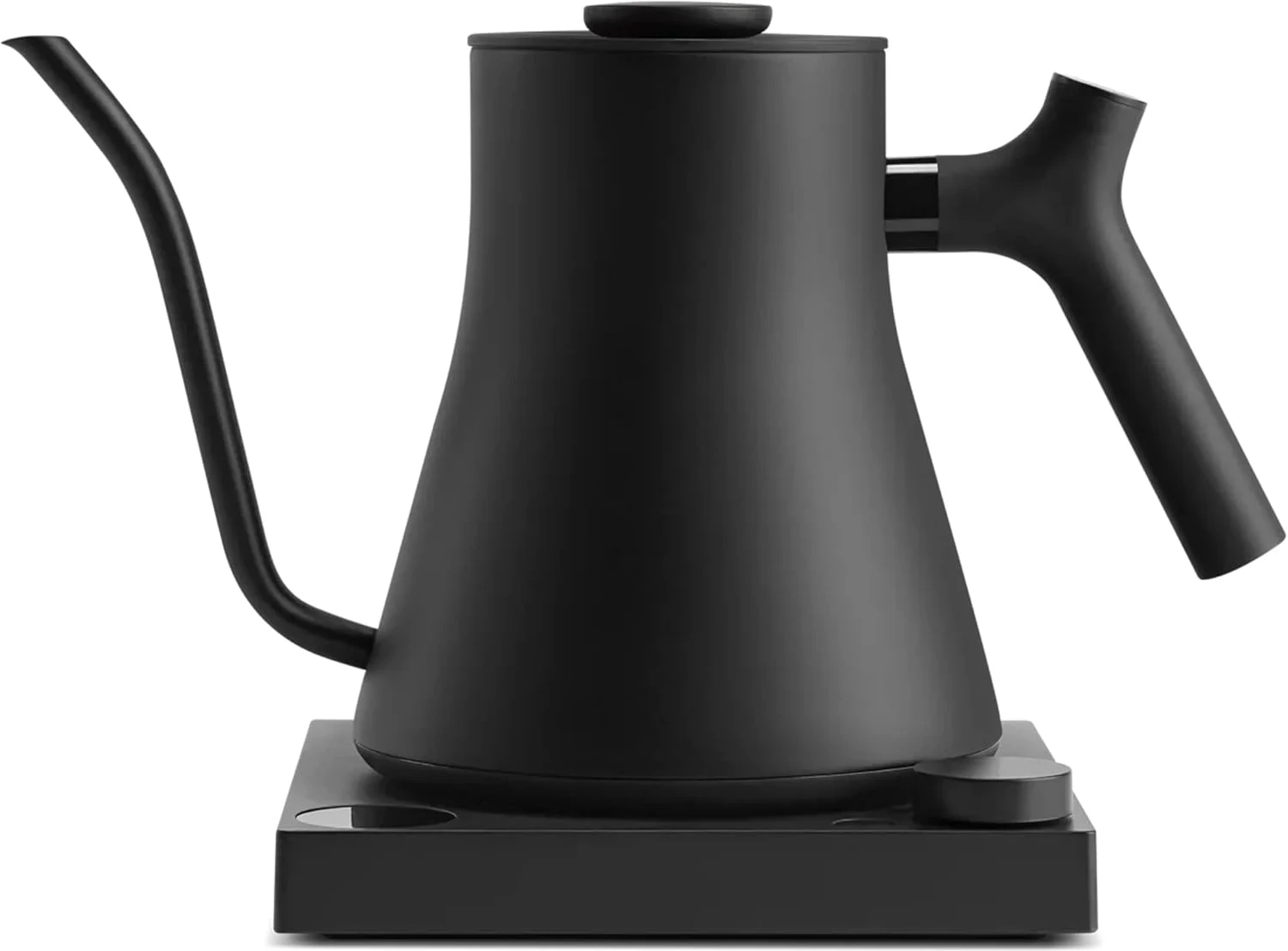
Product Name: Fellow Stagg EKG Pro Electric Gooseneck Kettle
Brand: Fellow Products
Primary Use: Precision manual coffee brewing (esp. pourover)
Key Features: To-the-degree temp control, gooseneck pour, fast heating, temp hold, premium design
Popular Models: Stagg EKG, Stagg EKG Pro
General Street Price: ~$165–$225 depending on model/sale/finish
Warranty: 1-year limited (varies by region)
Rating: 4.7/5 (based on aggregation from Amazon, Reddit consensus, Fellow.com, and third-party reviews)
What Makes the Fellow Stagg EKG Pro Stand Out?
The Stagg EKG Pro lineup is designed specifically for anyone who cares about manual brewing. Think pourover fans, kalita wave experimenters, and Chemex lovers. Here’s a first-hand breakdown of the features everyone’s buzzing about and why people end up justifying the cost.
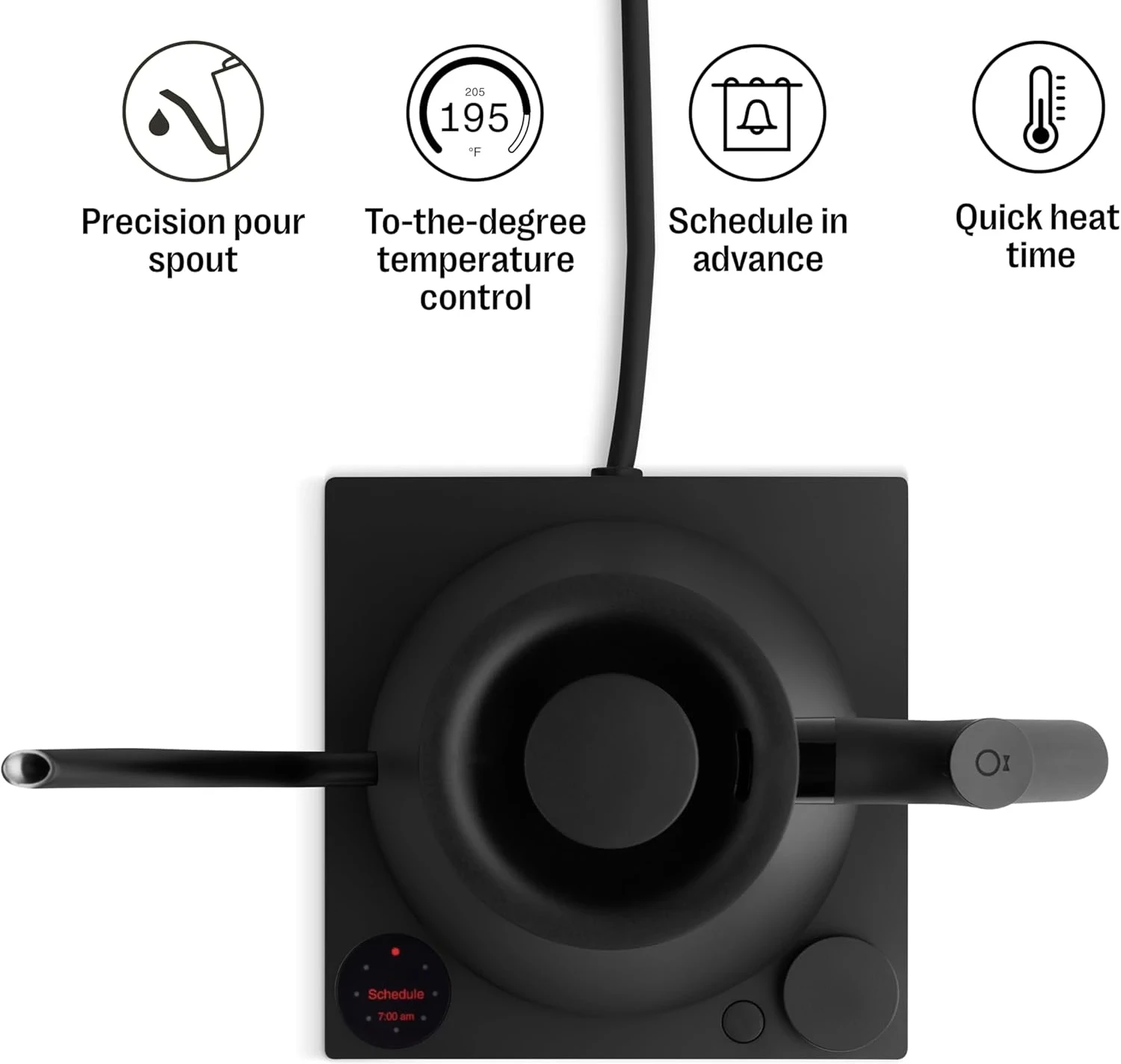
- Precision temperature control: You get real, to-the-degree controls (typically from 135°F to 212°F). Not just “low/medium/high”—I’m talking about the exact number. This is pretty handy for specialty coffee where 5–10 degrees actually change the outcome.
- PID controller and temp hold: Fellow uses a PID (Proportional Integral Derivative) controller, which is a fancy term for a brain that keeps the water at an exact temp for up to an hour. Users mention this means less guessing and excellent consistency, especially during longer brew sessions. It’s something you usually find in high-end espresso machines.
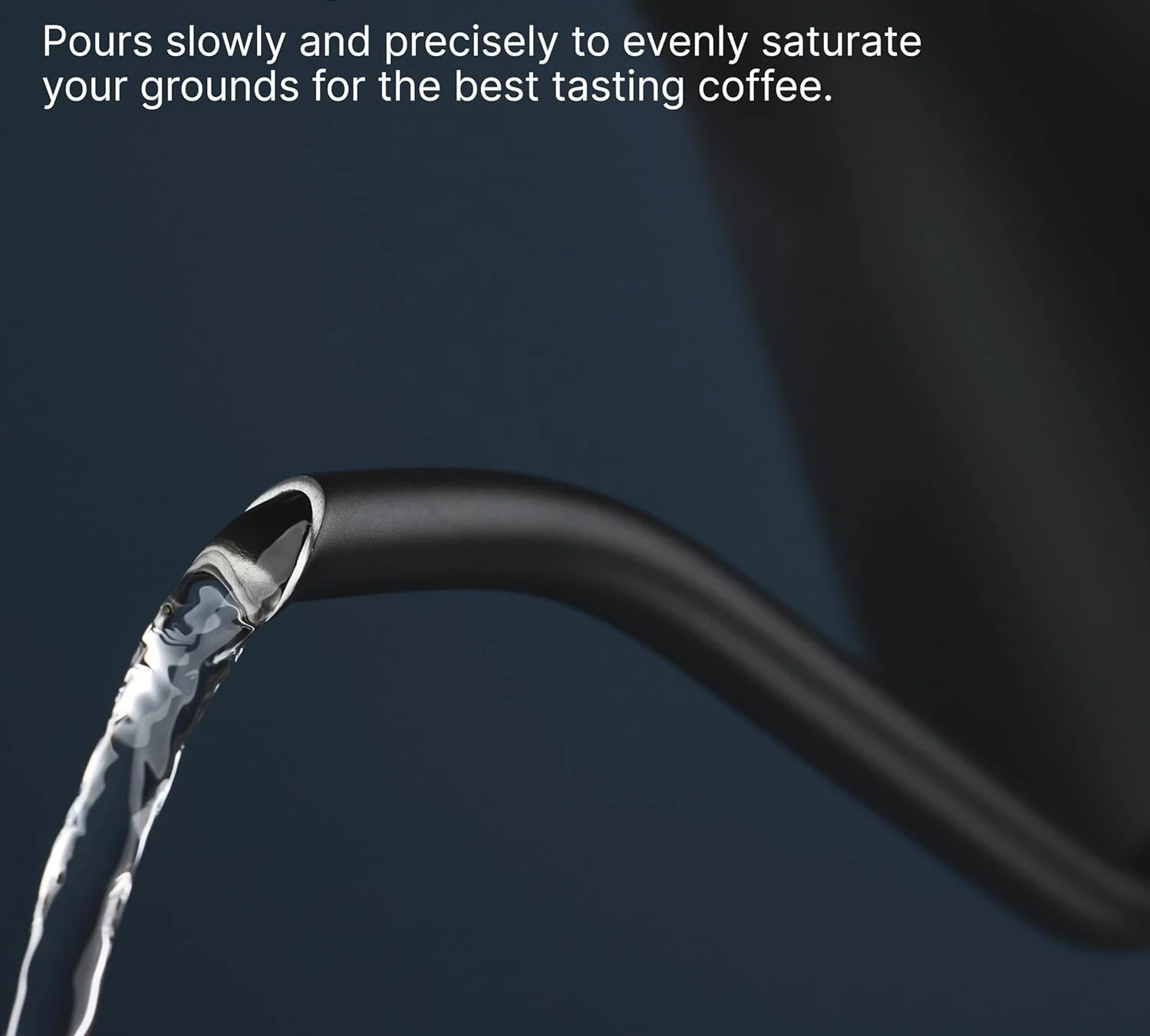
- Gooseneck and balance-focused design: The gooseneck spout is not just hype. The Stagg’s flow is super controlled, which helps keep your bloom and pourover extraction more even. People using less specialized kettles say this becomes more noticeable as you start working on consistent results.
- Premium build and eye-catching factor: Stainless steel body, quality finishes, and a distinctly minimalist look. This kettle is popular for a reason beyond function; people love the industrial, modern vibe, and it definitely doesn’t look like your standard appliance.
- User experience: The Pro model gets a boost: a bigger, brighter screen, dial-controlled interface, programmable presets, and advanced options like scheduling, a brew stopwatch, and software updates. There’s a clear push to make it feel more like “premium tech for coffee” than a basic home kettle.
Bottom line: The Stagg EKG Pro is packed with little touches and smart features. This is especially true if you’re into pourover or like to experiment with temperature and timing to dial in a recipe. If your coffee game is pretty chill or you just want boiling water for tea, these details might not feel so important, especially for the price tier.
Who Actually Needs a Kettle Like the Stagg EKG?
The audience for this kind of gear does matter. The reviews, Reddit threads, and user testimonials keep coming back to one insight: the Stagg isn’t about just making hot water; it’s about making the process enjoyable and the results repeatable.
High-value buyers:
- Pourover users wanting repeatable, delicious brews
- Coffee hobbyists who notice differences between 200°F and 205°F water
- Home baristas dialing in V60, Chemex, Kalita, and similar setups
- Specialty coffee beginners looking for gear that helps them learn proper pour technique and brewing consistency
Lower-value buyers:
- People who mostly use French Press or automatic drip (not super sensitive to temp or pour rates)
- Anyone just boiling water for tea, oatmeal, or ramen
- Budget shoppers; if you already own a $40 kettle that heats quickly and you don’t care about exact temps, this is probably overkill
This “is it worth it?” check comes down to use case. The Stagg is heavily focused on coffee lovers who want to geek out a bit and get hands-on. If you’re in that group, that’s where the performance and polish have the most impact.
Design, Build, and Experience: What’s It Like Using the Stagg EKG?
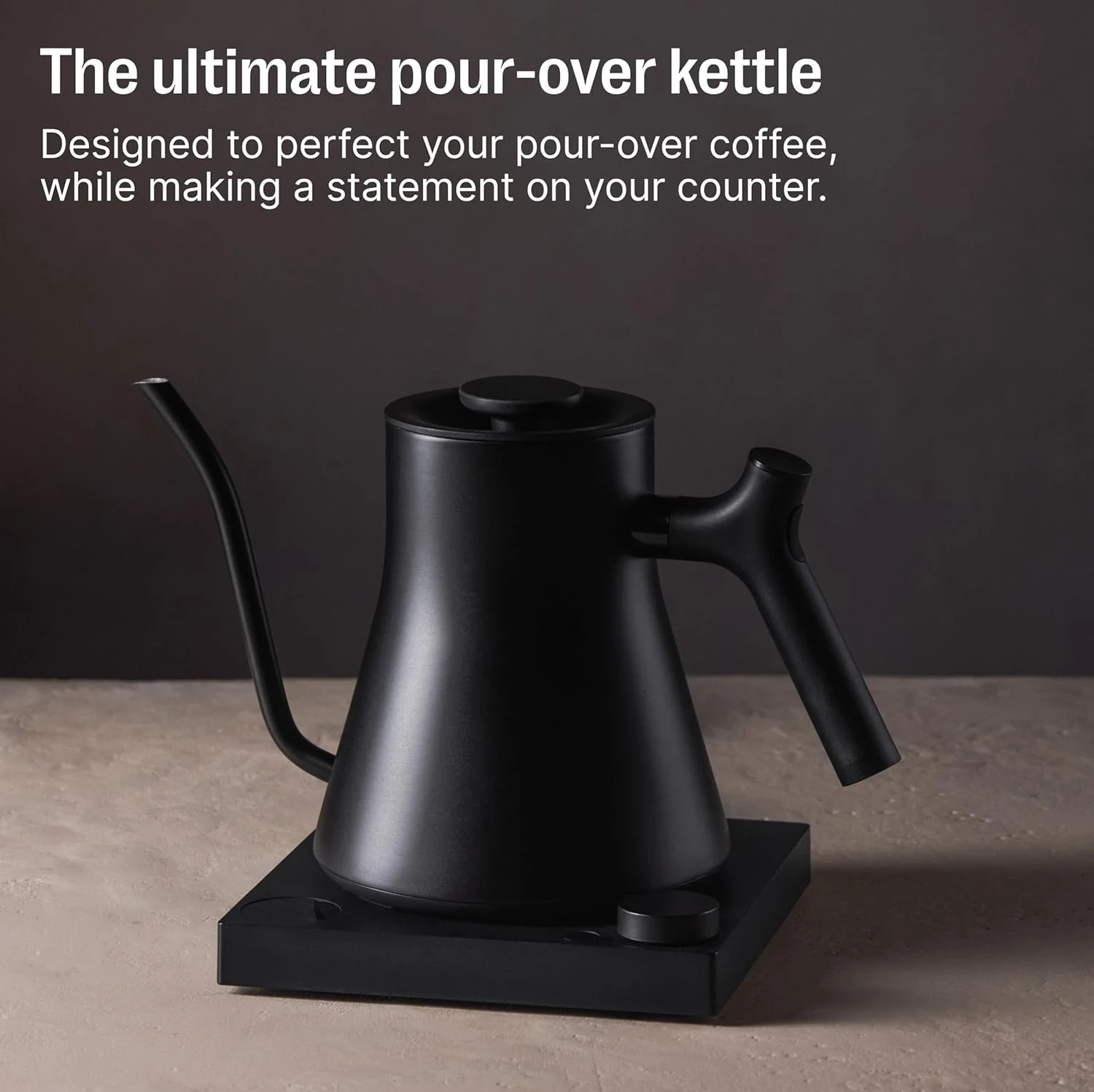 I look at home gear through two lenses: how it feels to use, and what sort of vibe it brings to the kitchen. The Stagg EKG Pro gets a ton of attention for both. Here are the main things that stand out based on a couple hundred user reviews and community chatter.
- Premium finish: People consistently describe the kettle as feeling “solid” and way heavier than cheap kettles. The stainless steel isn’t chintzy, and the handle has this neat counterweight, so you’re less likely to get wrist fatigue when holding it for longer pours.
- Super clean lines: There are few seams, no huge branding splashed around, and a look that fits in with “designforward” appliances. I’ve seen more than a few kitchen “shelfies” where the Stagg is the centerpiece for a reason.
- Dial and display: Instead of cheap push buttons, you get a chunky, satisfying dial and a crisp display. The Pro’s display is sharp and shows exactly what you need: current temp, target temp, hold or brew mode, and your timer. It’s a big step up from juggling dials or toggles and staring at a blinking light.
- Quick heat and quiet operation: This isn’t the fastest in the world, but for its size (and voltage), most users say it comfortably heats 0.8L of water in 3 to 5 minutes. It’s also noticeably quiet, with no harsh boiling sounds or clunky pops that cheaper kettles sometimes make.
- Cord storage and countertop footprint: Cord management is neat, and the base itself is pretty compact. Everything looks tidy, which is a bonus for keeping your coffee spot uncluttered.
If you’re looking for something that just “feels nice” to interact with first thing in the morning, the Stagg scores really well here. It’s not flashy in a gadget-y way; it’s elegant, simple, and the build quality comes up in almost every review.
Temperature Control: Is It Actually Reliable?
This is where the price tag matters. The Stagg EKG Pro uses a PID controller, which is the same approach top espresso machines use for keeping water temp rock steady. This means once you set a temp, say 204°F for a pourover, the water will stay there, with tiny fluctuations, for as long as the hold mode is on (up to 60 minutes).
Here’s what researchers and users point out:
- Consistency from batch to batch: Almost every owner says brews taste the same day after day, thanks to reliable temp stability. Coffee pros love that because even a difference of a few degrees can tweak flavor, clarity, and extraction.
- Rare drift or overshoot: Cheaper kettles sometimes overshoot the temp (hit boiling, pull back, and never quite level out). The Stagg tends to heat right up to the set point and hold it, which gets major praise from home baristas and people running longer brews.
- Manual calibration: The Pro lets you fine-tune the calibration in the settings, so if you want to double-check with a thermometer and tweak the output, you can.

This won’t matter for everyone, but if you’re developing recipes, entering home brew competitions, or simply want each cup to turn out the same, stable temp is super important. The hold function is also awesome; brew one cup, keep water hot, and go for more without starting over.
Pour Control and Ergonomics: Does the Gooseneck Really Matter?
One big debate I keep seeing online centers on whether gooseneck kettles change the brew outcome or if they’re just a style thing. Here’s my take, based on research and how users describe it.
- Precision pouring means more control over bloom, agitation, and extraction: Pourover recipes often call for spiral pours or bloom and then fill stages. With a gooseneck, especially on the Stagg, the flow rate is slow and direct, way less splash than standard spout kettles. Beginners notice their extractions get more even, and pros use the weighted handle for delicate pours or pulse pouring.
- Easy to use, even for small hands or lefties: The counterweight in the handle is a cool touch. People report less wrist ache, especially if you’re doing two or three large brews back-to-back. It’s also well balanced, so pouring at various angles feels stable.
- The spout is genuinely drip-free: If you’re tired of water running down the side of a kettle and pooling on your counter, this spout design helps a lot.
Do you need this for French press or basic tea? Probably not. But for manual coffee brewing, the control actually does affect your ability to experiment and get consistent results, especially as your skill grows.
What’s New (and Actually Useful) with the Pro Model?
Compared to the base Stagg EKG, the Pro version gets a few feature boosts that regular users seem to appreciate. Here’s where the extra cash is going:
- Scheduling: The Pro can prep your hot water for a set time, for example, have water ready for your early-morning ritual without the wait.
- Brew stopwatch: You can time your pour with a built-in stopwatch, helpful for following recipes without an extra device.
- Custom presets: Multiple “save slots” for set temps, handy if you bounce between pourover and Aeropress or have family with different preferences.
- Firmware updates: The Pro can receive software upgrades over Wi-Fi, which means future bug fixes or features are possible without buying new hardware.
- Improved UI and feedback: Brighter, more readable display, clearer alerts, and more granular control options.
Most of these are quality-of-life improvements, but for daily pourover drinkers or households with diverse brewing needs, they’re genuinely useful.
How the Stagg EKG Compares to Cheaper Electric Kettles
I see this come up all the time: “Can’t I boil water just as well with something cheaper?” The honest answer is yes; if you only need boiling water, or like brewing methods that don’t demand precision, there are great $40 to $80 options. But if you value the features below, the Stagg starts to look like a smart pick.
- PID temp stability: Cheaper kettles rarely maintain temp perfectly or for more than a couple of minutes. Most are “set and forget,” meaning you get either boiling or nothing.
- Pour control: Budget goosenecks exist, but their flow is less consistent, and their spouts/drip design isn’t as refined. This mostly becomes noticeable if you’re practicing specific pourover routines.
- Build, finish, and display: Less expensive kettles use more plastic and usually have clunky button interfaces. The Stagg is praised for lasting longer and feeling nicer to use and clean.
- Warranty and customer support: Fellow’s reputation is pretty good. Some buyers mention issues, but support tends to respond promptly, and replacement bases and parts are available, unlike for many generics.
If you’re still building your routine and aren’t sure you want “fancy gear,” it might make sense to start cheaper. If you want something that will grow with your hobby and look great while doing it, Stagg EKG is worth serious consideration.
Is It Worth the Price? Where It Feels Justified; And When It’s Overkill
Almost every big Reddit discussion about the Stagg features the same question: “Is this just expensive hype?” Here’s what I found in a pretty broad range of user stories and coffee community feedback:
When people feel the price is justified:
- You brew pourover at least a few times per week and want that ritual to be enjoyable, efficient, and repeatable.
- You like experimenting with coffee recipes and need tight control over temp and pour.
- Your kitchen style matters; you actually want an appliance you’re proud to leave on display.
- You appreciate small design improvements: quick heat, quiet boil, easy-to-read display, and a nice handle/spout combo.
When people think it’s not worth the investment:
- You mostly brew French press, use an autodrip, or make tea where exact temps aren’t huge factors.
- You’re on a budget and would rather spend the savings on coffee itself, a scale, or a grinder.
- You just need speed and volume; stovetop kettles or bigger capacity electrics are faster and cost less.
The Stagg EKG Pro is what I’d call a “performance and experience upgrade,” not a basic tool. If you only care about utility, a regular kettle does the job cheaper.
What About Longevity, Maintenance, and Any Common Flaws?
This is an expensive kettle, so naturally, people want to know about weak points. Here’s what shows up in honest customer stories and long-term reviews:
- Longevity varies by batch/model: Most users have zero problems for years, but there are reports of early electronic or heating element failures. These seem pretty rare given how many are sold, but it’s still an area where Fellow could improve.
- Base electronics: Some complain about the base “dying” or being overly sensitive to power surges. Using a surge protector is a good idea for any techy appliance.
- Water spotting and finish wear: If you leave water in the kettle after use, or use hard water, it can spot and show mineral buildup. A quick dry wipe and occasional descaling keeps it looking new.
- Warranty and support: Fellow seems pretty responsive. People say replacement bases and fix kits are easy to obtain. Just register your device if you buy one.
In short, it’s not bulletproof, but if you treat it the way you’d treat any specialty kitchen gear (don’t drop, don’t overfill, keep it clean), it should last for years. And it’s always nice to see support and replacement parts available.
How Does the Stagg EKG Stack Up Against Competitors?
The gooseneck kettle market is a crowded field, but here’s how the biggest names compare according to user-based research:
- Fellow Stagg EKG/Pro: Best for overall design, user experience, temperature accuracy, and brand aesthetics.
- Bonavita: Known for reliability and value; usually about half the price, but temp holding and build aren’t quite as refined.
- OXO: Simple, easy to use kettles for everyday drinkers. Less precision/feature depth, but solid performance at a lower price point.
- Brewista: Featurepacked and sometimes cheaper than Fellow. Lots of controls, but mixed opinions about the UI and build quality.
Best pick depends on your priorities:
- Love design and a luxury feel? Fellow is the top choice.
- Want reliable, accurate results for less? Bonavita is highly rated.
- Prefer ease of use? OXO is great for basics.
- Need advanced tweaks or a really customizable interface? Brewista and Fellow Pro both deliver.
Common Questions from the Coffee Community
- Is the Stagg EKG good for tea? Absolutely. The precision temp control makes it easy to brew delicate green or white teas at lower temps (like 170°F), and the hold mode means you can keep water at that temp for a second or third cup. But the gooseneck is less useful for tea compared to coffee.
- Can you use it on a stovetop? No, this is a plugin electric device only. Be sure you don’t put it on a hot surface or gas burner.
- Does it beep or make noise? The EKG Pro model can be set to silent or audible alerts. Some earlier models made annoying beeps, but the Pro’s beep is gentle and can be turned off if you prefer quiet brewing.
- How much water does it hold? The full size is about 0.9 liters, or roughly 900 ml. This is enough for two decent size pourovers (or one big Chemex), but keep in mind it’s smaller than most basic kitchen kettles.
Top Reasons People Love (or Skip) the Stagg EKG Pro Kettle
Based on a pretty wide review sweep, here’s what pops up most often for people singing its praises or deciding it’s not right for them:
Pros:
- Precise temp control (to the degree) and super consistent heating
- Hold mode, amazing for chained brews or slower mornings
- Smooth, controlled pour (especially good for pourover beginners)
- Feels premium and looks great on a countertop
- Thoughtful user interface: dial is satisfying, display is crisp
Cons:
- High price tag compared to what basic users might need
- Potential for electronic issues, though rare (good warranty helps here)
- Pouring finesse may feel less necessary after you build brewing skill
- 0.9L capacity can be limiting if you brew for lots of people or multibatch recipes
- Not ideal for anyone who mainly drinks tea (unless you really want the look and precise control)
How to Get the Most Out of the Stagg EKG Kettle
If you invest in one, getting full value means using its features the right way. A few tips I picked up from enthusiastic owners and baristas:
- Rinse and dry the inside regularly to avoid mineral buildup and keep it looking new
- Experiment with the custom presets: set temps for your most common brews (for example, 200°F for pourover, 185°F for Aeropress or tea)
- Try using the stopwatch and scheduling features to streamline your morning routine
- If you switch recipes often, label presets with sticky notes to keep track (especially if sharing with housemates/family)
- Stick to filtered or soft water if possible to reduce descaling chores
Most owners say it quickly becomes a part of their morning ritual and makes manual brewing a lot more satisfying. The ability to tune in temperatures and control timing is a favorite feature for those who like to dial in their perfect cup.
Final Thoughts: Is the Fellow Stagg EKG Pro Electric Kettle Right for You?
I put a ton of hours into gathering feedback on this kettle because I know how tough it is to decide if gear like this is worth pulling the trigger on, especially at a price point where you could buy three or four decent kettles instead.
Here’s my research-driven take: If you’re excited about manual brewing, pourover, and experimenting with recipes, the Stagg EKG Pro brings some real upgrades in both performance and user experience. The temperature accuracy, pour control, premium look, and smart tech touches actually make the brewing process better, especially if you brew a lot or care about repeatable results.
If you’re more of a quick and easy coffee or tea person, or if you like banging out French press in big batches for friends, a less expensive kettle can get the job done and save cash for coffee beans.
For design fans and “coffee ritualists,” though, the Stagg is tough to beat. The brand’s reputation holds up pretty well, and there’s enough value packed into those extra features (like hold mode, scheduling, and a really good pour) that most users feel happy with the investment.
So, if you want to take your brewing up a notch and enjoy a higher end experience every morning, the Stagg EKG Pro is honestly worth checking out. If you’re cool with something a bit simpler, you’ll find solid alternatives below the $80 mark that keep water just as hot, just maybe without the polish, features, and style.
Hope this breakdown helps you decide if the Stagg EKG really lines up with your coffee style and daily routine. Any other kettles you want researched? Drop a comment below and I’ll dig in!
Happy Brewing,
Corey J. Plummer
My List of Recommended Coffee Products
- Burr Grinder – Fellow Burr Grinder
- Gooseneck Kettle – Fellow Stagg EKG Pro Electric Gooseneck Kettle (for controlled pouring)
- Coffee scale – Greater Good Coffee Scale with Timer
- Freshly Roasted Coffee Beans – Onyx Coffee Roasters (honestly anything from them is great)
- Filtered Water System – Apec 5-Stage Reverse Osmosis Water System
- Coffee Water Mineral Packs – Mineral Packs for Brewing Coffee
- Timer – Elegant Digital Kitchen Timer (a smartphone timer works fine too)
Here’s a little transparency: Our website contains affiliate links. This means if you click and make a purchase, we may receive a small commission. Don’t worry, there’s no extra cost to you. It’s a simple way you can support our mission to bring you quality content.