Sometimes you just don’t have a temperature controlled kettle handy, but you still need boiling water for coffee, tea, or cooking. I’ve definitely found myself in that spot. Maybe the kettle’s broken, you’re traveling, or you’re in the middle of a kitchen remodel. It’s actually pretty easy to boil water safely and get the right temperature, even without a kettle. Boiling water is a little more scientific than most people realize, especially if you want great-tasting coffee (or tea, if that’s your thing) instead of a bitter or dull cup.
In this guide, you’ll get a breakdown of the science behind boiling water, handy techniques for managing temperature, and some myth-busting advice. By the end, you’ll know exactly what to do the next time you need boiling water. There’s no need for a kettle.
Step 1: Understand the Science of Boiling Water
Water boiling is more than just bubbles and steam. There’s real science behind hitting the right temperature, which makes a huge difference for how your coffee turns out.
Boiling Point Basics
- Water boils at 100°C (212°F) at sea level.
- Boiling happens when the vapor pressure of the water equals the atmospheric pressure.
- Fun fact: If you try to boil water on a mountain, it happens at a lower temperature because the air pressure is lower up high (Learn more here).
Why This Matters
- Boiling isn’t one fixed rule for everyone everywhere. Where you are in the world changes the boiling temp, which means water could be hotter or cooler than you expect, even if it’s bubbling.
- This affects how your coffee tastes, regardless of your brewing method – especially if you’re after consistency.
How Altitude Changes Boiling Point
- The higher you go, the lower the boiling point.
- As a rough guide:
-
- Every 500 ft (about 150 meters) above sea level: boiling point drops roughly 1°F.
- Every 1,000 ft (about 300 meters): boiling point drops about 2°F.
- If you’re at 5,000 ft, your water boils at around 203°F (not 212°F).
- At 10,000 ft, it boils at about 193°F.
The Best Temperature for The Perfect Cup of Coffee
For brewing, the sweet spot is usually between 195°F and 205°F (90–96°C). Water that’s boiling hot right off the stove is often a bit too much for your grounds. That’s why letting the water cool for a moment is key. The key here is after your water has reached it’s proper boiling point, to wait about 45 seconds to a minute to allow the water to cool down to the proper brewing temperature.
Step 2: Choose Your Boiling Method
My favorite thing about boiling water is just how many ways there are to do it, and there’s no need to own a fancy kettle. Here are some great options that work almost anywhere:
Pot or Saucepan on the Stove
- Fill a clean saucepan with water.
- Heat on high until it boils. This is great for precise control. You can make a bigger batch at once.
- Once it’s boiled, remove from heat and let it cool for that ideal coffee-brewing range.
Microwave (With Caution)
- Pour water into a microwavesafe container.
- Heat in short bursts (30–60 seconds), stirring in between to prevent dangerous superheating.
- Watch for signs of boiling (rapid bubbles or steam). It works well for single cups, but never microwave water in a sealed container.
Electric Rice Cooker, Slow Cooker, or Instant Pot
- These appliances can boil water too.
- Add water and set to the highest heat or steam setting. When you see a full, rolling boil, it’s ready. Use the lid to speed things up.
Camp Stove or Open Fire
- If you’re outside, a campfire or camp stove plus a pot, or even a metal cup, gets water boiling fast.
- Keep an eye on the pot to avoid boiling away too much water, and always use a handle or potholder. Everything gets super hot in open flame cooking.
Step 3: Judging Water Temperature Without a Thermometer
Now at this point, you may be asking, “Well this is great Corey, but what if I have no thermometer to determine the proper temperature of the water?” No problem. There are some reliable tricks you can use to get your water in that perfect range for brewing coffee.
Time-Based Cooling Method
- Bring your water to a full boiling point (big, rolling bubbles).
- Take it off the heat and let it stand for about 45–60 seconds. This usually drops it right into that ideal 195°F–205°F window.
Visual Boiling Stages
Even without a thermometer there are visual cues to help you navigate when your water is boiling at the proper temperature.
- 160°F – Shrimp Eyes: Tiny, pinhead-sized bubbles form on the bottom of the pot. Ideal for delicate green teas.
- 175°F – Crab Eyes: Bubbles are slightly larger and rising, with wisps of steam starting to appear.
- 180°F – Fish Eyes: Bubbles are roughly the size of small pearls or fish eyes, with strong, rising steam.
- 185°F-205°F – Sub-Simmer: Bubbles from the bottom begin to rise to the surface, appearing like champagne bubbles. This is ideal for stocks and poaching.
- 195°F-205°F – Rope of Pearls: Large bubbles stream rapidly to the top in continuous chains, often described as a “string of pearls” phase, nearing boiling.
- 205°F-212°F – Full Simmer: Bubbles break the surface consistently from all points, but not with extreme, violent turbulence.
- 212°F – Raging Torrent (Rolling Boil): The water is completely turbulent, churning, and boiling vigorously. (Golden Moon Tea)
Just remember after it reaches that raging torrent boil, to remove it from the stove and let it sit for 45 – 60 seconds to cool down to the proper brewing temperature.
Other Heat Loss Factors
- Pouring water into another container cools it down. Thin metal pots lose heat faster than heavy cookware or a kettle.
- Using a lid while boiling keeps heat in and speeds up the process.
Step 4: Tips for Perfect Boiled Water Every Time
Just-Off-Boil Method
- For coffee, letting water cool just briefly after boiling (about a minute) is the technique most baristas use when a temp control kettle isn’t around.
- This lets your water hit the sweet spot, hot enough to extract flavor but not so hot it scalds the grounds.
Brewing at High Altitude
- If you live somewhere with higher elevation, you may notice your water never quite hits the same rolling boil as at sea level. That’s totally normal and nothing’s wrong with your stove or pot.
- At about 8,000 ft, boiling water is actually close to the perfect brewing temperature (about 197°F), so you can use it right away for coffee without waiting.
Extraction and Taste
- Water that isn’t boiled properly (below 185°F) won’t pull out enough flavor, leaving your coffee weak or flat – honestly who even wants that?
- Water hotter than 205°F can make things taste burned or harsh.
- Letting boiled water cool for a minute is a simple way to avoid both problems.
Step 5: Myths People Still Believe About Boiling Water
Does Salt Really Make Water Boil Faster?
- Despite the old tip, adding salt doesn’t make water boil faster. It actually raises the boiling point a little, so it takes longer.
Can Boiling Water “Burn” Your Coffee?
- The temperature of the water can affect flavor, but it’s more complicated than just “burning” the coffee. Roast level and brewing control matter way more than just whether your water is boiling hot.
Next Steps to Mastering Water Boiling Without a Kettle
There’s a lot more to boiling water than it seems, but with a bit of science know-how and a few easy tricks, you’ll always hit the perfect brew temperature. Whether you’re brewing coffee while camping, making a cup of tea in a hotel, or waiting for your new kettle to arrive, these tips will get you there. Boiling water without a kettle is totally doable with the right method and a little practice. If you want to get even better, try experimenting with different pouring techniques for coffee, or look up how to make tea the “gongfu” way using a pot or microwave.
Quick Action Plan:
- Pick your favorite nonkettle boiling method before you need it. Options include stove, microwave, electric cooker, or open flame.
- Practice judging temperature visually and by letting water rest after boiling. This helps ensure every cup turns out just right.
- Remember how altitude can change what “boiling” really means in your kitchen, and adjust your brewing routine if you move or travel.
Need more info? Try searching for: “how to boil water on stove without kettle,” “boiling point vs altitude chart,” or “coffee brewing water temperature tricks.” You can also check out videos on visual boiling stages and how baristas brew without kettles for step by step visuals. With a little practice, boiling water without a kettle will be second nature.
Recommended List
Now for a list of items to make your boiling life a little bit easier here are items I recommend. None of these are needed, but will definitely make your coffee brewing experience a whole lot easier (and tastier)
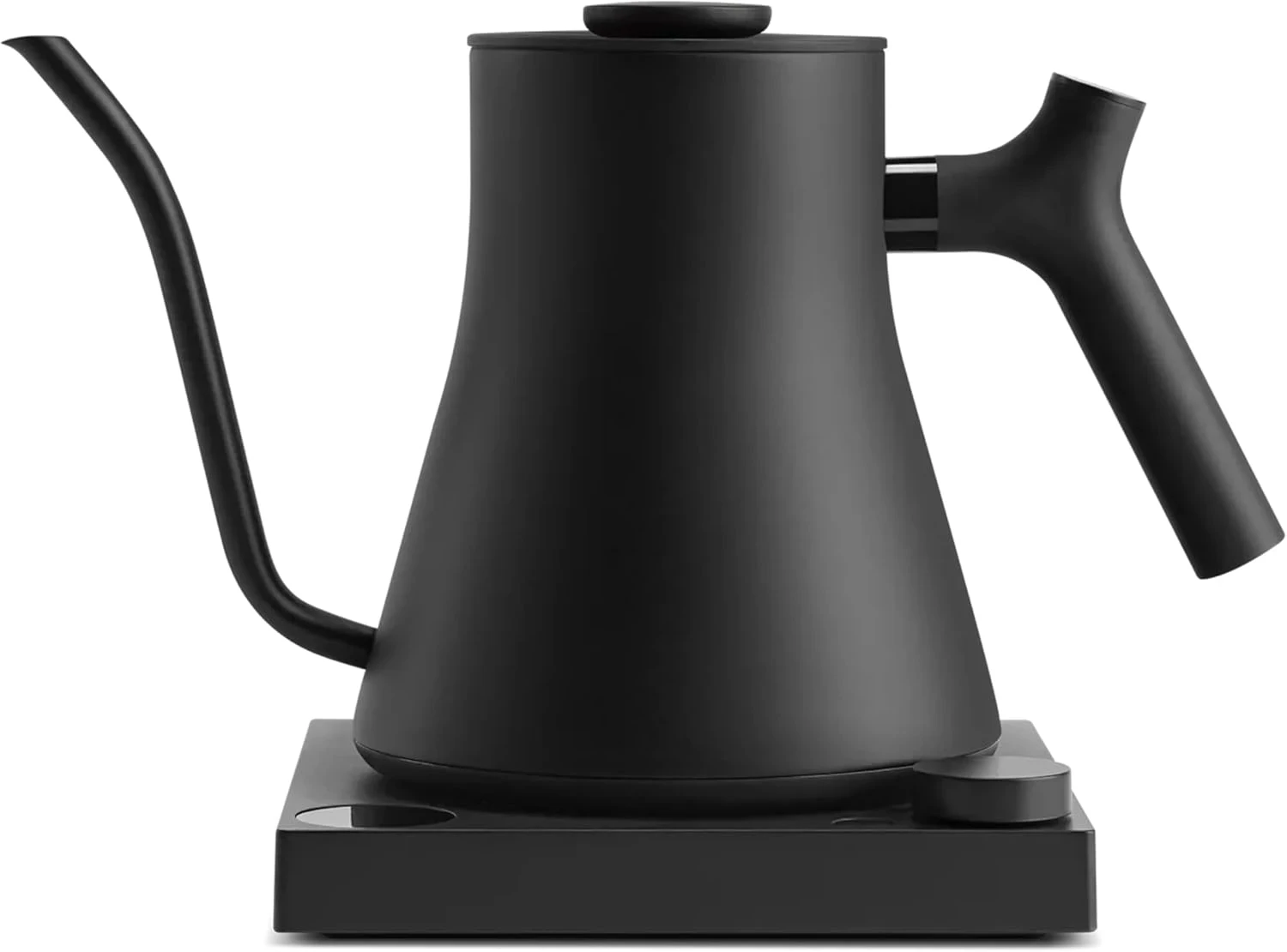
- Temperature Controlled Kettle – Fellow Stagg EKG Pro Electric Gooseneck Kettle
- Travel Kettle – Jettle Electric Travel Kettle
- No Temperature Glass Boiling Kettle – Chefman Electric Kettle
- Stove Top Metal Kettle (with built in temperature guage) – Made In Cookware 2 QT Kettle
- Manual Thermometer – Thermometer with Instant Read
- Digital Thermometer – Lavatools Javelin® PRO Classic Ultra-Fast 2-Second Professional Digital Instant Read Thermometer
Happy Brewing,
Corey J. Plummer
Here’s a little transparency: Our website contains affiliate links. This means if you click and make a purchase, we may receive a small commission. Don’t worry, there’s no extra cost to you. It’s a simple way you can support our mission to bring you quality content.