
Picture this: you’ve splurged on a bag of your favorite coffee beans, excited for the symphony of flavors often promised by specialty brews. It’s like buying a concert ticket, expecting to be blown away by the harmony and power of a live orchestration. However, the first sip reveals a flat and uninspiring taste. How did this happen?
Here’s the scoop: even the most exquisite beans, bursting with potential, can lose their essence if they aren’t fresh. Staleness creeps in silently, stealing the glory from your beloved brew. Sure, fresh beans guarantee complexity and depth, but when they age ungracefully, they can turn into a bland shadow of what could have been.
Many coffee fans aren’t aware of how critical freshness is to that perfect cup. Stale beans result from oxidation and the breakdown of key aromatic compounds, often without us even noticing the slow decline. The freshness isn’t a superficial detail—it’s central to ensuring each cup is memorable and uplifting. Your taste buds deserve a vivid journey, not a dead-end street.
Bitter Reality: The Flat Brew Experience
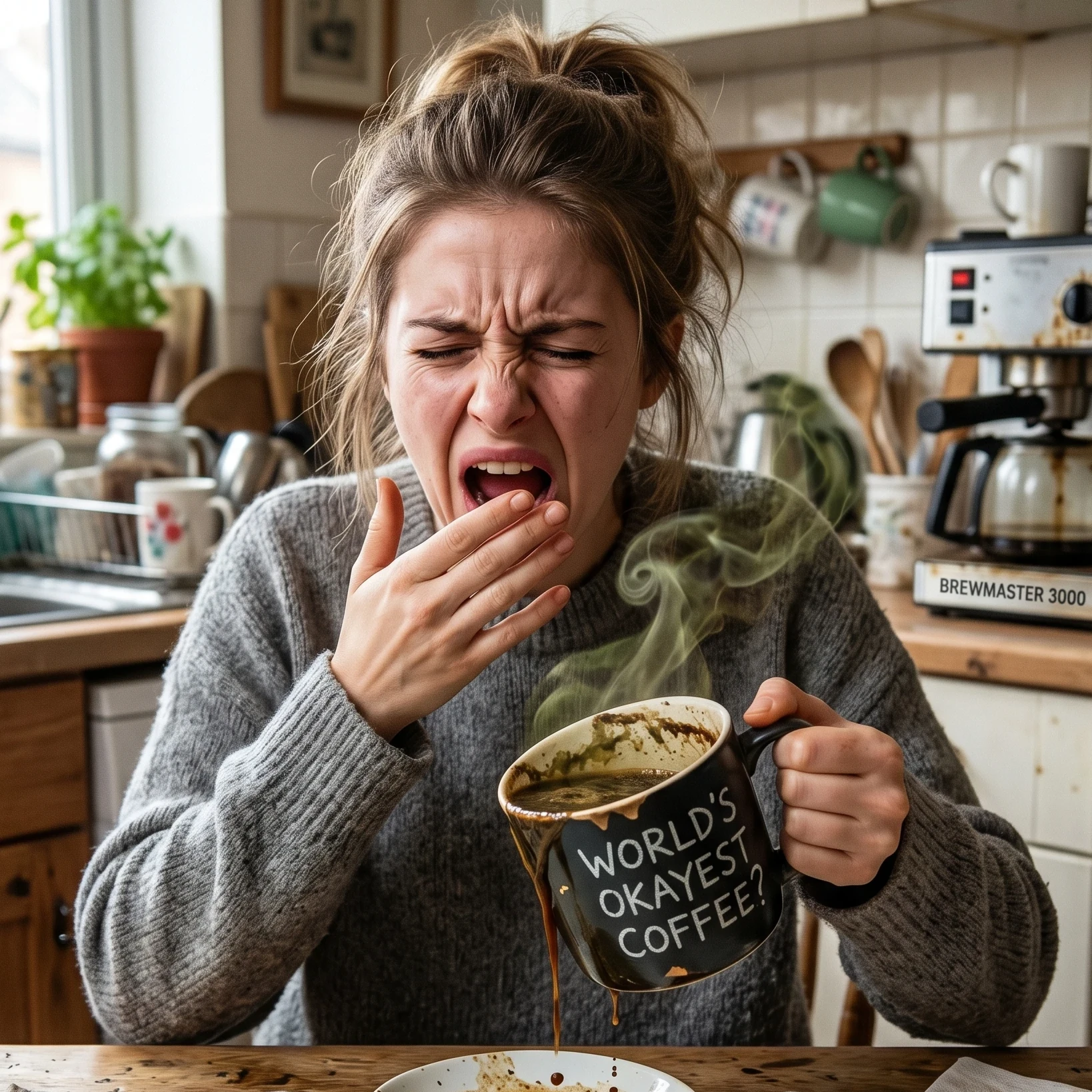
You set up your pour-over, using those prized specialty beans, expecting a cup that’s as magical as a sunny morning in Paris. But instead, you get coffee that tastes as lifeless as day-old dishwater. You blink in disbelief, hoping the next sip will make things right. Spoiler: it won’t.
It’s not just about a momentary letdown. You’ve invested good money and anticipation in those beans, right? You expected a café-worthy experience at home, but what’s in your cup feels like trickery. The flavors you read about in the tasting notes seem like a far-off fantasy.
Most folks don’t even know why this happens. The beans looked fine. They still smell like coffee. But here’s the kicker, staleness isn’t always something you see. It’s a secret enemy hiding in plain sight, stripping your coffee of its soul. Stale beans mean those acidic, fruity notes are gone, leaving something more muted behind. It’s like expecting a punch of color only to get washed-out pastels instead.
Behind the Scenes: Why Beans Go Stale
The secret to understanding flat brews lies in knowing the science behind stale beans. At the heart of it all is the breakdown of volatile compounds that make your coffee sing with flavor (if you want a better understanding, check out my 5-Part Series on What Gives Coffee It’s Flavor – Here) . We’re talking about oxidation here. It’s where oxygen swoops in and starts wrecking those delicate esters and aldehydes that give your coffee its floral and fruity notes.
After roasting, beans release carbon dioxide, a friend and a foe. In the right amounts, CO₂ acts like a shield, protecting beans from oxidation. But once it escapes, those beans become vulnerable, exposed to everything that dulls their vibrancy. It’s a bit like popping a bottle of wine and letting it sit open; eventually the wine becomes stagnant and flat.
Lipids or oils inherent in coffee are also critical players. These oils work double time to create rich taste, but with oxygen meddling, they can turn rancid. That’s where the unpleasant cardboard-like flavors come in, replacing what should’ve been a sweet, smooth experience.
Time isn’t on your side either. As days roll by, the acids that add brightness start to break down. Instead of a zesty, refreshing tang, you get a taste that’s more on the bitter or uninvitingly sour side.
All these factors work together in a way that most of us can’t see immediately—but taste? That’s a whole different story. Your coffee loses that depth and complexity, becoming more like a single, flat note rather than a harmonious symphony.
Brewing Brightness: How to Preserve Flavor
For coffee that wakes up your senses and leaves you feeling like everything’s clicking into place, you gotta treat those beans right. Here’s the deal, freshness is your main game. When coffee is fresh, it tastes amazing, rich, and diverse. But seeing signs of staleness? That’s when you know you need a new plan.
Start by storing your beans like they’re a treasure (because they are). Use airtight containers to keep out oxygen, and tuck them away in a cool, dark spot. Think pantry, not fridge! Heat, light, and moisture, those are the villains here.
Freshness has a shelf life. Get cozy with it and use your beans within two weeks of opening. They don’t last forever, so plan your purchases with this in mind. Just because they’re sealed doesn’t mean they’re not ticking down on freshness.
Grind on demand. Don’t hit that grinder until you’re ready to brew. Whole beans hold onto their flavor way better than ground coffee, and you’re gonna notice the difference.
Have a blast experimenting with different brewing styles, too. Each method highlights different aspects of your coffee’s profile, so try a few to see what matches your taste.
In the end, keeping your coffee vibrant and exciting is a bit of science and a touch of art. Your taste buds will thank you for every sip that delights and every morning made better.
Happy Brew,
Corey J. Plummer
My List of Recommended Coffee Products
- Burr Grinder – Fellow Burr Grinder
- Gooseneck Kettle – Fellow Stagg EKG Pro Electric Gooseneck Kettle (for controlled pouring)
- Coffee scale – Greater Good Coffee Scale with Timer
- Freshly Roasted Coffee Beans – Onyx Coffee Roasters (honestly anything from them is great)
- Filtered Water System – Apec 5-Stage Reverse Osmosis Water System
- Coffee Water Mineral Packs – Mineral Packs for Brewing Coffee
- Timer – Elegant Digital Kitchen Timer (a smartphone timer works fine too)
Here’s a little transparency: Our website contains affiliate links. This means if you click and make a purchase, we may receive a small commission. Don’t worry, there’s no extra cost to you. It’s a simple way you can support our mission to bring you quality content.