If you’re looking for a coffee experience that completely upends what you think a cup of coffee can be, The Future: Watermelon Margarita from Black & White Coffee Roasters might be right up your alley. This isn’t your standard pourover or milk and sugar brew. Instead, it’s a bold blend designed to taste uncannily like a watermelon margarita. Fruity, zesty, a little boozy, and totally memorable.
Here’s my full review and breakdown of my experience with this coffee, along with everything you’ll want to know before giving it a shot yourself.

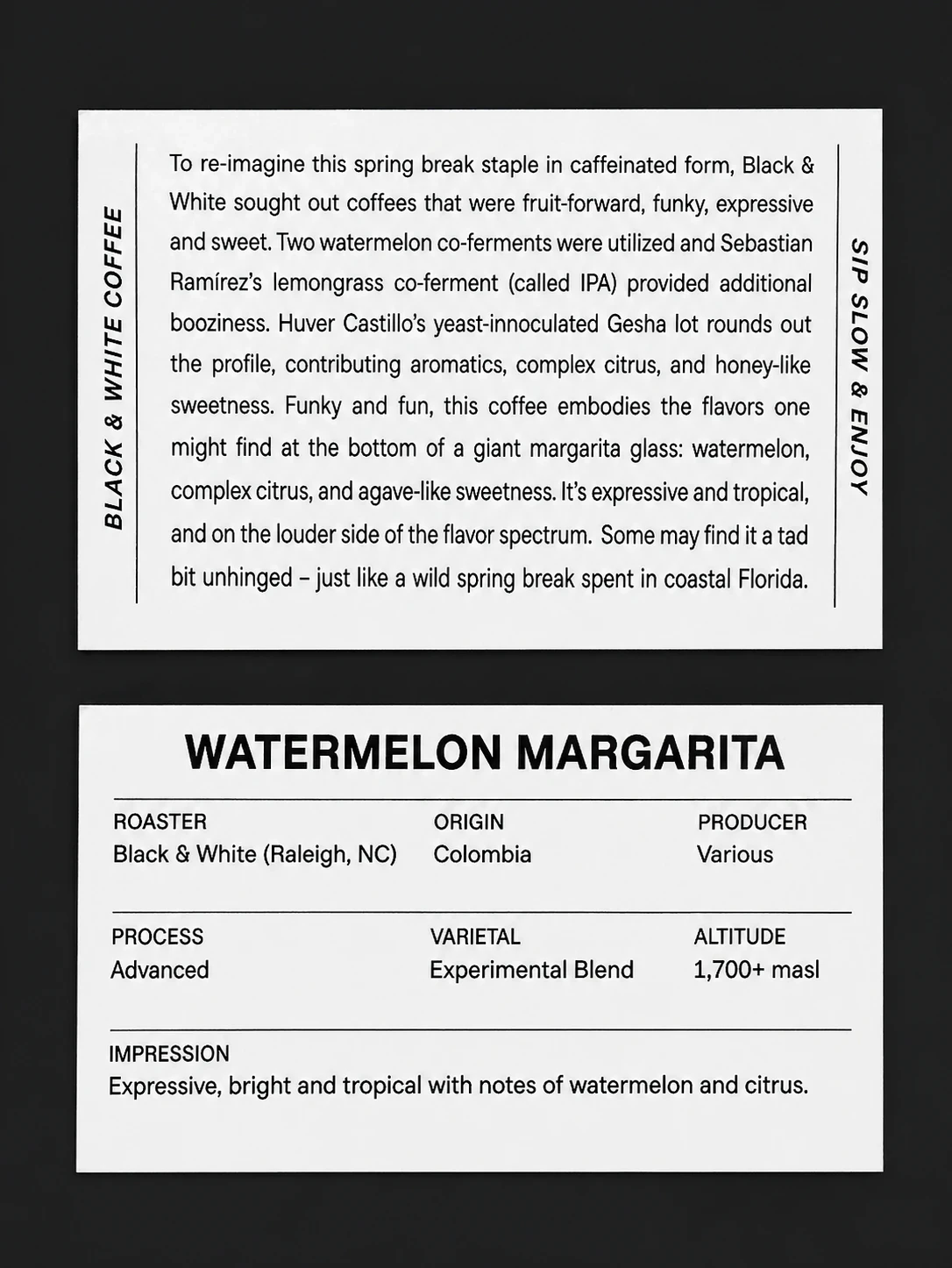
Coffee Name: The Future: Watermelon Margarita
Roaster: Black & White Coffee Roasters (Raleigh, NC)
Price: $28.00 (12oz / 340g bag)
Release Date: 4/2/26
Origin: Colombia
Producers: Sebastiàn Ramirez, Brayan Alvear, Huver Castillo
Process: Advanced coferment & anaerobic fermentation
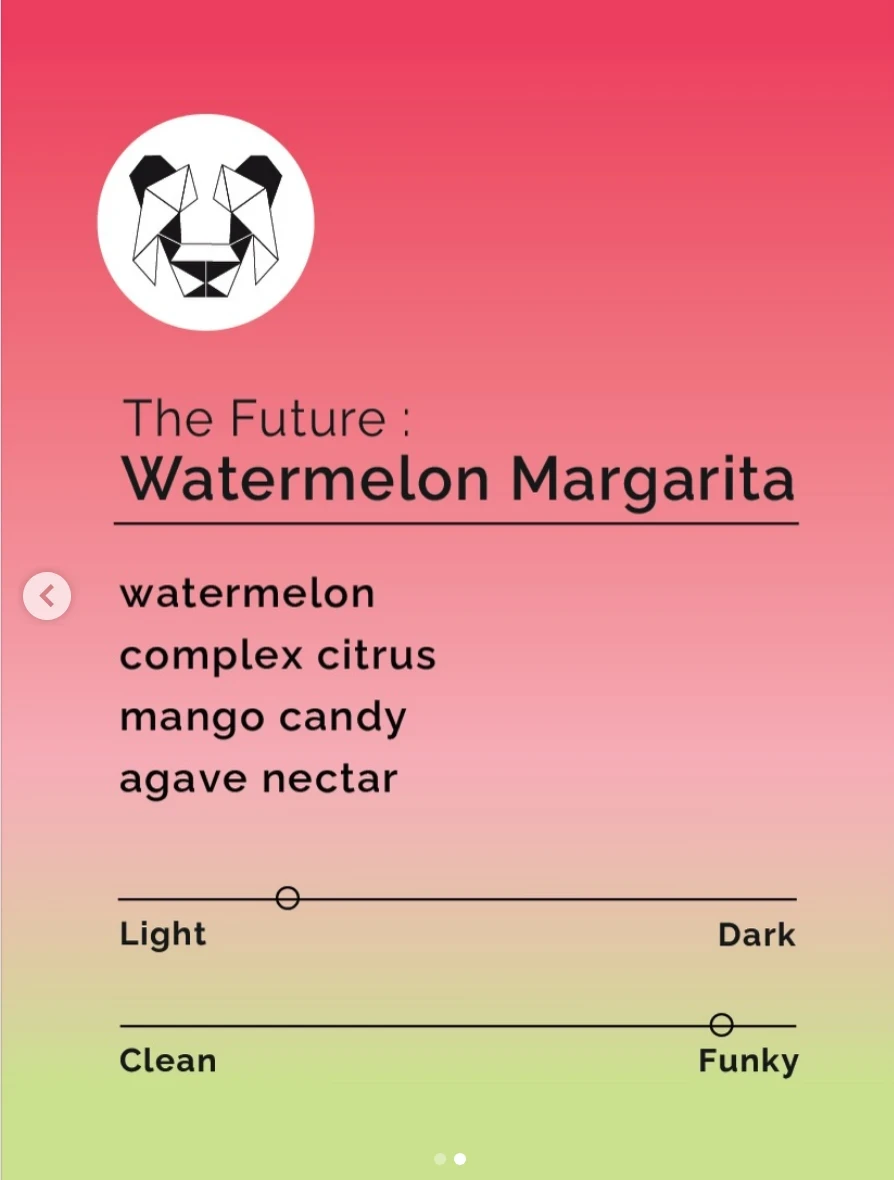
Roaster Notes: Inspired by Watermelon Margarita cocktails, featuring watermelon, citrus, mango candy, and agave nectar flavors.
This blend is all about flavor. Loud, experimental, and purposely challenging what most people expect from coffee. If you’re feeling adventurous or enjoy the wild side of specialty coffee, this is one to watch for.
What Makes This Coffee Different?
It’s rare to find a coffee that intentionally leans into flavors you’d expect from a summertime cocktail instead of the classic cocoa or floral notes. Black & White’s “The Future” series is their playground for bold processing and unique taste profiles. For the Watermelon Margarita blend, they looked for a sensory experience: an actual echo of the fruity, slightly sweet, and tangy cocktail, crafted entirely through coffee fermentation and blending.
They use a mix of advanced processing techniques. Think cofermentation with fruit, controlled yeast, and anaerobic tanks. These let the producers tailor the final flavors in ways that would have been unheard of a decade ago. With this coffee, you’re not just tasting origin or roast. You’re tasting creative intent.
Processing Details: The Science Behind the Flavor
Several small batch elements come together in this blend. Here’s what’s inside and why it matters:
- Watermelon Coferments (2 types): These microlots use real watermelon during fermentation. This brings out a fresh, juicy fruit note that immediately stands out.
- Lemongrass Coferment (IPA Process): Adding a subtle herbaceous and slightly citrusy note, this also gives a bit of that “cocktail” edge. Almost like a salted rim on a margarita.
- Yeast Inoculated Gesha: This microlot brings aromatic lift, citrus zing, and honeylike sweetness for balance and complexity.
All these lots are blended with purpose. They’re not random experiments. Each layer adds something unique, resulting in a cup that’s punchy, tropical, and unmistakably playful.
First Taste: RealWorld Experience
I tried this in a cortado, which is my goto when testing more experimental coffees. There’s enough milk to round out strong acidity, but not so much that it overwhelms the flavors. Here’s what I experienced, straight up:
- Right away, the watermelon note hits. No guesswork needed. It’s direct and bright, almost like biting into a slice of chilled watermelon.
- The sweetness doesn’t fade. It lingers throughout, shifting from juicy fruit to more of a “candy” quality. Think mango gummies with a twist of lime.
- There’s a fun zing to it. Citrus, salt, and (weirdly) a little agave. It’s subtle but brings everything together like a great margarita rim.
- The texture is syrupy, especially when you make it as a cortado. It feels denser than most fruity coffees I’ve tried, making every sip really striking.
This is not your morning comfort cup. It’s wild, energetic, and genuinely distinct.
Roaster Intent vs. Actual Cup
Sometimes, roaster tasting notes can lean “creative.” With this coffee, what you read is pretty much what you taste:
- Watermelon: Super clear. That’s the main event for sure.
- Complex citrus + Mango candy: There’s a burst of tropical fruit that rides along with the punchy citrus edges. This keeps the cup lively and sweet.
- Agave nectar: Not everyone will get this, but there’s a rounded, light sweetness (almost honeylike) that really smooths out the finish.
Here’s the difference. The actual experience leans slightly more tangy, and the salt note is a little more present in the cortado than I expected. That “cocktail” impression really does come through. If you’re after transparency between taste description and cup, this one delivers.
Flavor Profile Breakdown
- Main Category: Fruit forward, experimental
- Acidity: Bright, tangy (think lime)
- Sweetness: High, candylike, natural and round
- Body: Medium but syrupy (especially notable in milk or cortado style drinks)
- Overall Vibe: Tropical, juicy, playful, and definitely not subtle
Where I Tried It: Café Setting & Service
I had this coffee at a downtown specialty café well known for their attention to detail. They used a calibrated espresso setup, fresh milk, and served the cortado immediately. Super important for bright, delicate coffees.
The experience wasn’t just about the taste. The barista explained the blend’s background, the processing, and encouraged everyone at the table to “guess the cocktail.” The enthusiasm was honestly contagious, and I think that goes a long way with an experimental cup like this.
Brewing at Home: Methods That Work
At home, I tested this coffee two ways: as a small latte and as a filter coffee (Kalitastyle). Here’s what I found:
- Cortado/Milk Drinks: The flavors pop. Watermelon, citrus, and that agave finish. The milk compliments the syrupy body but doesn’t hide any fruit. This is the way I tried it at local coffee shop, Bad Mother in Saint Pete.
- Manual Pourover: Whether you want to do this with a chemex, kalita wave, or whatever pourover method of choice. It brings out more of the tropical notes. Slightly more acidity, and a clearer, more sparkling watermelon impression. A little lighter, less syrupy, which I loved for afternoon sipping.
- Not for Dark Roasts Fans: This is very much a coffee that rewards gentle brewing and lighter roast settings. Heavier extraction or too hot water will dull the sweet citrus.
If you’ve got control over your grinder (Looking for a great Grinder? Click Here), aim for a coarser setting and a slightly cooler water temp (195-200°F)- I recommend the Fellow Stagg EKG Pro. This stretches those high notes and keeps the fruit clear as day. Don’t expect traditional “coffeeness.” This one’s for pure flavor exploration.
Who Should Try This Coffee?
- Adventurous coffee lovers who enjoy wild, new flavors
- People who are curious about fermentation and modern coffee processes
- Fans of fruit bombs. Especially those who like tropical or cocktail inspired profiles (think natural Ethiopians turned up to max)
- Baristas and home brewers who want something to “show off” and start a conversation
If you like your coffee classic (chocolatey, nutty, or even floral with restraint), this might feel too intense. It’s a wild ride, best enjoyed when you’re genuinely open to surprise.
Who Might Want to Skip It?
- If you’re a “traditionalist” searching for standard coffee notes, this will taste almost alien.
- Anyone who dislikes natural or funky processing notes in specialty coffee.
- If you generally stick to dark roasts or prefer super subtle, muted flavor profiles.
This blend is all about being unapologetic in its flavor choices, and that’s not going to hit for everyone. I like having coffees like this in my rotation for when I want to mix it up or impress friends, not as my daily drinker.
Why Experiment with Processed Coffees?
You might be wondering; why turn coffee into something this extreme? For me, it’s like the microbrewery movement in beer or creative natural wines. Once you’ve mastered the basics, the fun starts when you see just how far you can take it.
Black & White is one of several roasters globally embracing advanced fermentation. Fruit copigmentation, stacking lots, using specific yeast strains, and borrowing from the world of booze and gastronomy. These experimental lots aren’t always crowdpleasers, but they push specialty coffee to new heights and keep things interesting.
Even if you try this once just for the experience, you’ll have a new reference point for what coffee can achieve. The “margarita” element is no accident; it’s a deliberate, sensory nod to social, summery drinks.
Price Point and Value
At $28 for a 12oz bag, this coffee falls firmly into the “special treat” category for me. You’re paying for a lot of handson work: microbatch processing, advanced fermentation, and creative risk. Compared to traditional single origins or blends, you might only want to splurge if you’re chasing a specific experience or sharing it with curious friends.
For context, experimental processing commands higher green costs and more trial and error at the farm. Some will find that worth it for the playful, punchy flavors. Others may want to stick to more familiar territory. I’d encourage anyone interested in modern specialty coffee to try a bag at least once. Just adjust your expectations from “everyday drinker” to “conversation starter.”
Fermentation: How Coferments and Yeast Shape Flavor
The process here is super intentional. For the Watermelon Margarita, producers pulped the ripe coffee cherries, added pureed watermelon for coferment, sometimes with other fruit or botanicals like lemongrass, and then sealed the tanks anaerobically with select yeast strains.
This isn’t a random pile of fruit. Each ingredient is there for a reason. Watermelon sugars speed up fruity compound development, yeast strains can highlight tropical or citrusy notes, while anaerobic environments reduce unwanted bitterness. All tweaking the flavor in ways classic fermentation never could.
After fermentation, the parchment coffee is gently dried, then drymilled and “blended back” with the various microlots to build a cohesive, layered cup. This takes precision and a lot of tasting. The final roast is kept light to let those wild, natural notes soar.
How to Brew for Best Flavor
Based on my experiments and conversations with the barista, a few tips help coax the most from this coffee:
- Treat it like a fruit forward natural. Lighter brews, cooler water, and a gentle grind.
- If you make espresso based drinks, cortados or small flat whites keep the fruit bright and the sweetness lively.
- Pourover highlights clarity, so expect the cup to get even juicier and more fragrant. Try Kalita or V60 for best results.
- If you want to “lean into” the margarita experience, try it over ice with a squeeze of lime. I was a skeptic but it actually works, giving the illusion of a coffee mocktail.
Honestly, experimenting is part of the fun. I’d avoid heavy cream or lots of syrup flavors; they clash with the main notes and muddy the cup.
Coffee Community Feedback
I’m not the only one who’s been intrigued by this blend. Online discussion groups, Instagram specialty coffee circles, and several baristas I know all echo pretty similar thoughts: it’s polarizing, super fun, and often the “gateway” experimental coffee for people just starting to branch out beyond washed single origins.
That said, there’s plenty of conversation about whether processing like this is just a “gimmick.” Personally, I think coffee has always grown through experimentation, and the growing interest (and higher prices paid to innovative producers) shows this kind of coffee has a real audience.
What to Pair With Watermelon Margarita Coffee
This coffee screams for a light, summery food pairing. If you’re planning a tasting at home or sharing with friends, try:
- Fresh fruit, especially pineapple, mango, and (of course) watermelon
- Soft cheeses like fresh mozzarella or burrata
- Lemon or lime sorbet. Really brings out the citrusy notes
- Salted shortbread or citrus tea cookies (to play up the margarita effect)
I’d avoid heavier chocolate or spiceladen desserts. You could lose the nuance of the coffee’s main flavors. Lighter is better so everything stays refreshing.
Pricing and Availability
The Future – Watermelon Margarita is part of a rotating lineup and tends to sell out quick. Black & White typically lists these on their site, and you might spot guest appearances at certain cafés or coffee subscriptions. It sits at the higher end of Black & White’s price range, mostly because of the microbatch production and hands-on approach from the farmers and roasters.
If you’re eyeing a bag, act quickly when it’s in stock. If you’re local to North Carolina (or willing to order online), the shipping is pretty speedy.
How This Coffee Fits into a Broader Coffee Adventure
Most people I’ve talked to about this coffee mention that it changes the way they think about flavor in specialty coffee. Even if fruitforward natural process coffees are old news, something that pulls off a specific cocktailinspired note is special. It’s not just about being “weird.” It makes you curious about technique, experimenting at home, and how far coffee can really go.
For anyone whose adventure started with generic grocery store beans and now loves fruity naturals or anaerobic lots, this is another step along the “wow, coffee can taste like THAT?” path. Over time, blends like this land as reference points—expanding your flavor map and the range of what specialty coffee can deliver.
Rating: My Take
- Flavor fidelity: 5/5 – This tastes like what’s promised on the label. No guessing or reaching.
- Creativity: 5/5 – It’s a creative blend and an awesome conversation starter.
- Value for experience: 5/5 – Splurge pricing, but the story and uniqueness come through in every cup.
- Drinkability: 5/5 – For a niche audience. Wild, fun, and something I could drink day after day.
Overall, this is a five star experience for me, mainly because I value flavor adventure and transparency between the roaster’s promise and my cup. Not everyone’s going to want something this bold, but for those who do, it’s definitely worth the ride.
Ordering: Where to Find It
You’ll find the current lineup (including the Watermelon Margarita if available) on Black & White Coffee Roasters’ website. Sometimes they offer small sample packs, which is helpful if you’re not ready to commit to a full bag.
Some third party specialty shops such as Bad Mother in Saint Pete, Florida – also occasionally feature these “Future” lots. Just make sure you’re ordering from a reputable place with fresh roast dates.
Final Thoughts
Trying the Future – Watermelon Margarita coffee isn’t about finding your new daily cup. It’s about stumbling upon something genuinely different and seeing what’s possible when roasters and producers push the limits of processing and flavor. If you enjoy unique sensory experiences or want to spice up your coffee routine, this blend definitely deserves a spot on your list.
Feel free to ask in the comments if you’ve tried it or if you want more brewing tips. And if you have any questions about experimental processing or want recommendations for other wild coffees, let me know. I’m always happy to share what I’ve learned on my own coffee adventures.
Happy Brewing,
Corey J. Plummer
My List of Recommended Coffee Products
- Burr Grinder – Fellow Burr Grinder
- Gooseneck Kettle – Fellow Stagg EKG Pro Electric Gooseneck Kettle (for controlled pouring)
- Coffee scale – Greater Good Coffee Scale with Timer
- Freshly Roasted Coffee Beans – Onyx Coffee Roasters (honestly anything from them is great)
- Filtered Water System – Apec 5-Stage Reverse Osmosis Water System
- Coffee Water Mineral Packs – Mineral Packs for Brewing Coffee
- Timer – Elegant Digital Kitchen Timer (a smartphone timer works fine too)
Here’s a little transparency: Our website contains affiliate links. This means if you click and make a purchase, we may receive a small commission. Don’t worry, there’s no extra cost to you. It’s a simple way you can support our mission to bring you quality content.