
Huver Castillo’s Gesha coffee leans into both tradition and experimentation, thanks to its unique processing and bold approach to flavor. For anyone fascinated by specialty coffee—especially the wild world of anaerobic processing—this coffee has a story worth checking out, with some taste notes that took me by surprise. Here’s my super detailed review after brewing and sipping the Huver Castillo Gesha from Black & White Roasters.
Before we get into it further, here’s a summary of key details about the coffee and how it rated in my book:
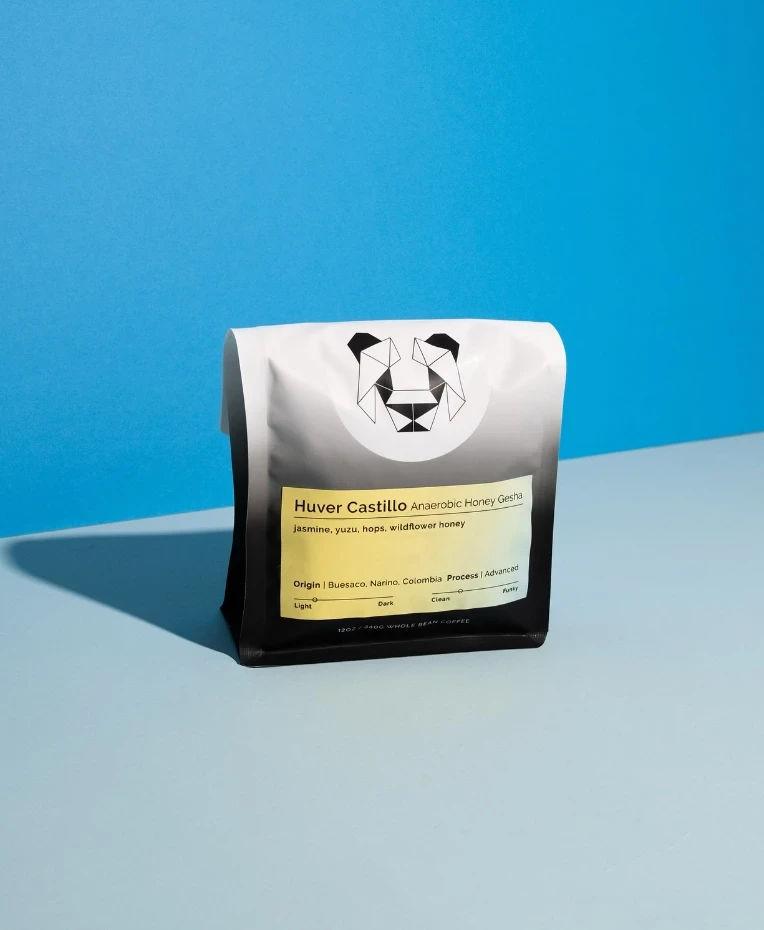
Coffee Name: Huver Castillo Gesha
Producer: Huver Castillo
Origin: Nariño, Colombia
Farm: El Paseo (family owned, 20+ years)
Processing: Yeast inoculated Anaerobic Honey
Variety: Gesha
Elevation: 1800 MASL
Tasting Notes: Jasmine, yuzu, florals, wildflower, honey, herbaceous, hops like, black pepper
Recommended For: Experiment seekers, adventurous coffee drinkers
My Personal Rating: 7/10
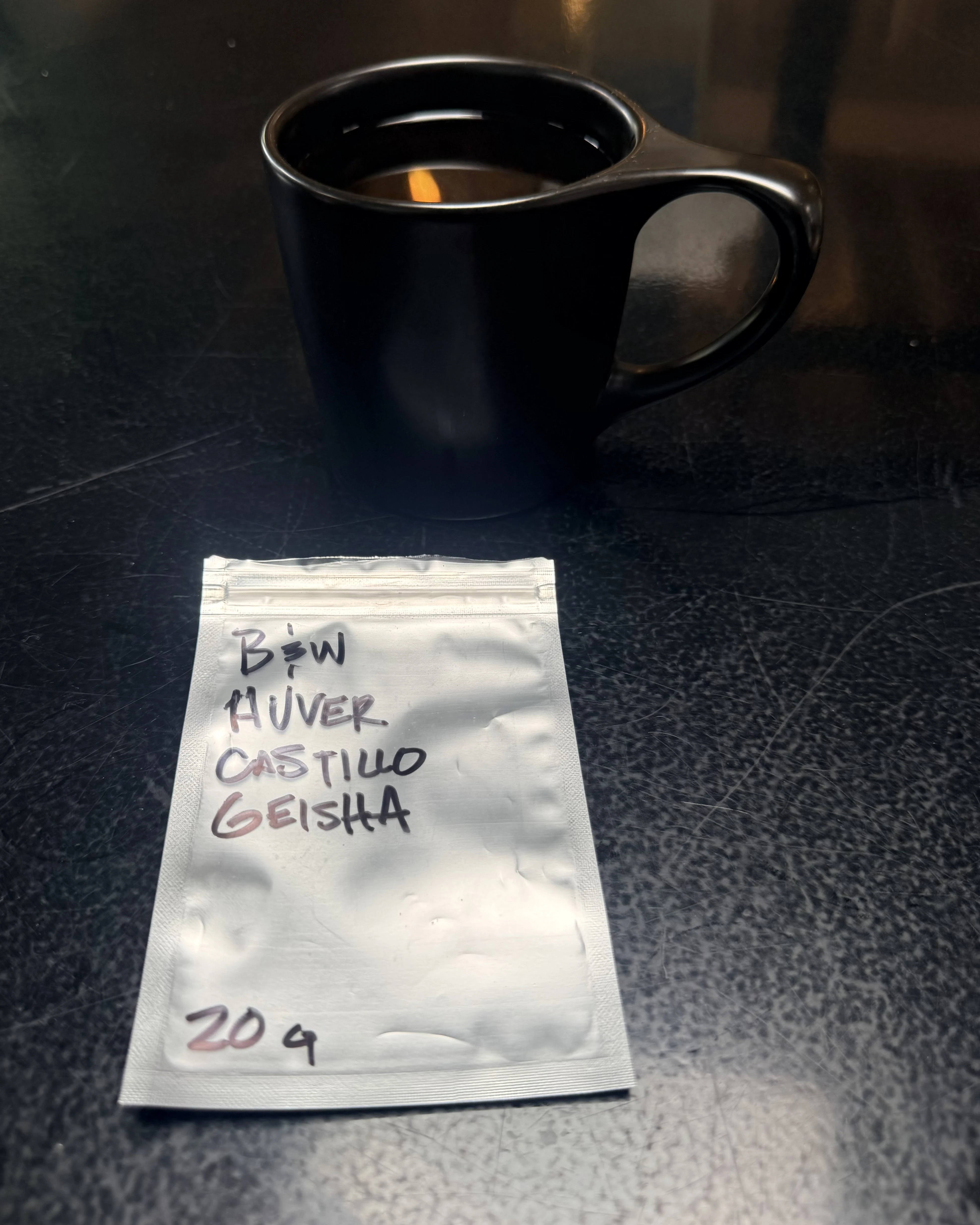
Brew Method Used: Kalita Wave (20g dose, at Concord Coffee)
This coffee stands out for its mix of classic Gesha traits with an edge from cook up something new processing. It’s not a daily drinker for me, but it had moments that were genuinely eye catching. If you enjoy trying something new and aren’t afraid of complex, unexpected flavors, you’ll want to track this down.
About Huver Castillo and the El Paseo Farm
Huver Castillo is not your typical coffee producer. His story began in the classroom; he was a math teacher until 2015, when he decided to focus full time on farming the family’s land in Nariño. For over two decades, his family grew coffee, but for many years, it was regular commodity grade stuff that didn’t get much attention outside Colombia.
2015 marked a major switch up. That’s when Huver started aiming for specialty coffee, learning new skills that go way beyond standard farming. It actually took until 2018 for him to export his first batch of specialty coffee, which is pretty quick—three years to go from local commodity to specialty export is a serious achievement, showing real drive to cook up something new and grow.
The El Paseo farm sits at 1800 meters above sea level, which is perfect territory for high quality coffee. That elevation means the plants can make more complex sugars, and the flavors tend to come out cleaner and brighter.
What stands out about Huver Castillo’s approach is his willingness to mix in some variety without losing the basics. There’s respect for tradition, but always a curiosity to push boundaries. That shines through in this Gesha release.
The Anaerobic Honey Processing Explained
The main story with this coffee is how it’s made. So, what is “anaerobic honey” coffee, and why add yeast to the process?
Quick rundown on the process:
- Starts with depulping the coffee cherries (removing the skin and most fruit, but some pulp hangs on for the “honey” part)
- Next is a 48 hour anaerobic fermentation, meaning the coffee rests in a sealed environment with added brewer’s yeast, letting the microbes work without oxygen
- After the anaerobic stage, the coffee spends another 24 hours in dry fermentation, again with no water
- Finally, it dries slowly on raised beds, with tight temperature and humidity control to reach just the right final moisture (around 12%)
This combo makes for a seriously hands on process. “Anaerobic” means the fermentation happens in an environment with very little oxygen, which changes things up compared to washed or natural coffees. The honey process leaves sticky mucilage (fruit pulp) on the coffee seed, bringing more sweetness and body to the cup. When you throw in extra yeast and seal it away from the air, wild things happen; the microbes cook up new acids and flavors, sometimes bringing out funky, boozy, or tropical fruit hints—other times adding spicy or hoppy notes you wouldn’t expect.
What Huver Castillo does here is take a classic honey process and crank it up. The yeast spiked 48 hour stage isn’t just for show—it can give the coffee deeper flavors, extra florality, and some wild layers. That’s what Black & White Roasters were aiming for with this batch. You’ll smell the difference the second you open the bag; it hits the nose like a garden with a citrus twist and a hint of spice.
The Flavor Profile: What To Expect
For my first brew (20g dose on a Kalita Wave, at Concord Coffee) the aroma was truly intense. There were heady florals, yes, but also a lively herbal note that really stood out and wasn’t something I usually expect from a Gesha. Here’s how I’d list out the main flavors in the cup:
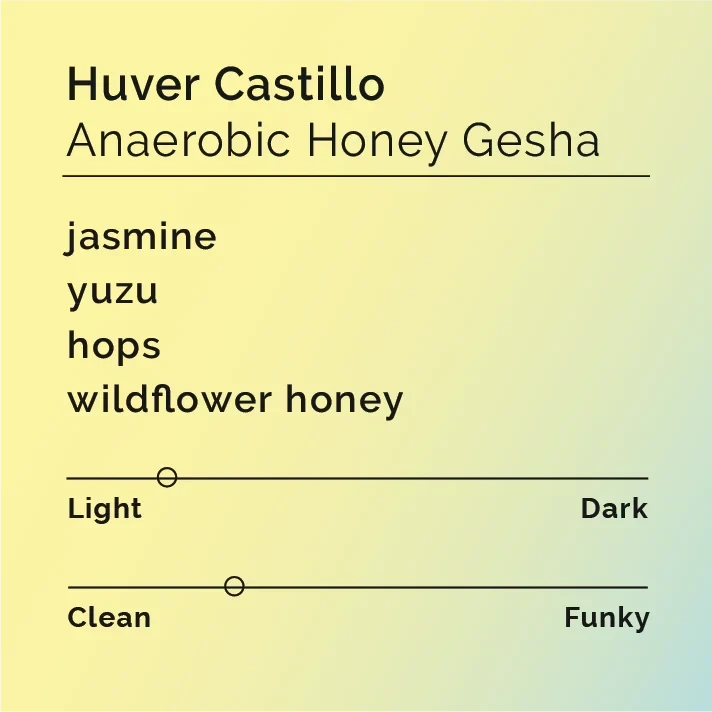
- Jasmine & Florals: Big, perfumed, and almost jump out of the cup. Like stepping into a garden in bloom. It’s a calling card of Gesha, and here it’s front and center.
- Yuzu & Citrus: This isn’t just a basic lemony note. Yuzu is more aromatic, somewhere between grapefruit and mandarin, with a bit of pepper zing that keeps things lively.
- Wildflower & Honey: The sweetness here is layered and floral, not just sugary. As the coffee cools, the wildflower honey vibes really come alive, adding a soft nectar like undertone.
- Herbaceous, Hops like: Here the processing really comes through. There’s a bitterness and fresh herbal quality—think fresh grass, basil, or even chamomile—with a touch of hoppy bite, like an IPA beer.
- Black Pepper: The real curveball. Up front, there’s a distinct cracked black pepper snap. At first it mixes with the citrus and fermentation notes, but as you sip, the spice becomes more defined—a real peppery kick.
It’s a wild mix—intense florals, sharp citrus, spicy, and sweet all jumbled together. There’s no shortage of complexity. Each sip changes a little, and the heavy processing gives it a punchy character if you like bold cups.
My Tasting Experience
This coffee was made as a pour-over using a Kalita Wave by the manager at Concord Coffee. They used a 20g dose and brewed it with water in the 200 to 205°F range to bring out the full character of the coffee.
Right from the first sip, it caught me off guard. There was a strong black pepper note up front, followed by a bright, almost sparkling acidity that reminded me of a lively white wine or even a peppery Zinfandel. The florals were there like you would expect from a Gesha, but the citrus, which felt similar to yuzu, along with a slight hops-like quality, gave it a sharper edge than I anticipated.
The sweetness from the honey process was present, but it was not heavy or syrupy. It blended more into the herbal and peppery notes rather than standing on its own. As the coffee cooled, I started to notice more of those softer wildflower and honey-like flavors, and the pepper began to fade a bit. The finish had a slightly tannic feel and left a lingering impression similar to a floral black tea with a subtle spice at the end.
Who Is This Coffee For?
If you enjoy taking risks in your coffee adventure, this is the cup for you. Those who love classic Geshas with gentle florals and syrupy fruit will recognize those qualities, but they’ll also meet layers of spice, savory, and hoppy notes that aren’t in every Gesha.
- If you’ve sampled and enjoyed experimental or “funky” anaerobic coffees, you’ll probably get a kick out of this one.
- Lovers of tart IPAs, funky natural wines, or anyone chasing new flavor profiles should put this on their list.
- If your favorite brews are gentle washed coffees, the pepper and herb notes might be a bit much.
- Coffee geeks interested in new processing methods applied to top tier varieties will want to give it a go at least once.
What Makes Gesha Coffee Unique?
You can’t talk about this coffee without highlighting what makes Gesha special. Known for florals, complex aromatics, and silky texture, this variety originally comes from Ethiopia but gained legendary status after winning awards and setting records in Panama. People expect jasmine, bergamot, and a sweet, clean finish.
With the Huver Castillo Gesha, those traits are still there, but the anaerobic honey twist brings added layers you don’t find in a standard washed version. You’ll notice the difference right away—florals shine, citrus pops, and there are new herbal and spicy turns on every sip.
Anaerobic & Honey Processing: The Details
For the curious, let’s add some details on why these processes matter. Anaerobic means the beans ferment in sealed environments (like tanks or bags) without oxygen present. The added brewer’s yeast gives the fermentation a push, guiding which acids and flavors develop. Honey processing means leaving sticky fruit on the seed while drying, boosting sweetness and body.
- Pros: These coffees are punchy and flavorful, with sparkle and unexpected twists. When it’s done well—as with this batch, you get depth, “pop”, and a new take on the classic Gesha equation.
- Risks: The main danger is losing balance. Too much funk, too much spice, or overwhelming fermented notes can make the coffee taste more like an experiment than a treat. In this Castillo batch, the pepper and hops notes almost hit the limit, but for me, they kept things interesting instead of pushing too far.
- What Stands Out: The yeast inoculated stage. Borrowed from beer and wine, it creates unexpected bridges in flavor—think sour beers or natural wines. If you want something that’s not like last year’s coffee, it’s a fun twist. Another way to describe the yeast inoculated stage is a controlled post-harvest processing technique where specific yeast strains are introduced to coffee cherries during fermentation to enhance flavor, aroma, and consistency.
Expert Advice: Brewing Tips for This Coffee
Here’s how to make the most of this coffee if you pick up a bag:
- Pourover methods (Kalita Wave, Chemex): These let the different layers come through. Aim for 200°F to 205°F water to highlight florals, not just acidity.
- Go lighter on the grind: The brew already has plenty of body, so an overly fine grind can overwhelm. Keep it a bit coarser for clarity and brightness.
- Play with your coffee ratio and bloom: If the flavor is too in your face, use a slightly lower coffee to water ratio or draw out the bloom period, this can tone down the funk and pump up the honey sweetness.
- Let it cool: All the wild aromatics (jasmine, wildflower, honey) really shine as the temperature drops. Make a habit of tasting over time rather than finishing the cup fast; the coffee keeps changing and revealing new notes even after a few minutes.
Is It Worth Buying?
If you value bold, layered, and challenging coffees, the Huver Castillo Gesha will give your palate a run for its money. It sits at a premium price—normal for specialty Gesha with this kind of processing—but absolutely gives a boost to your coffee adventure and will stay interesting across multiple brews. Those craving classic Gesha flavors and nothing more may find washed versions a safer bet, but if you’re hungry for new flavors and like new-wave fermentation, you’ll love what’s happening here.
A good move is to split a bag with a friend and compare your tasting notes. Its uniqueness is the main draw. It might not be everyone’s everyday brew, but it’s a great way to mix up your routine.
My Final Thoughts and Personal Score
I left with a lot of respect for Huver Castillo’s approach. He’s willing to mix things up, but never lets experiments take over completely—the classic Gesha character still shines. That’s tough to balance! While not my all time favorite, this coffee injected energy into my morning and gave me a tasting adventure I won’t forget. The pepper and citrus combo is truly memorable.
For anyone who wants something that breaks from the norm, or if you want to broaden your definition of what a Gesha can be, give it a go. My personal score: 7 out of 10. Not number one on my list, but absolutely a must try if you like chasing new coffee experiences.
If you’ve got any questions, or want advice on brewing this or other out-there specialty coffees, just ask or leave a comment. I always enjoy swapping notes and geeking out about a fresh find.
Happy Brewing,
Corey J. Plummer
My List of Recommended Coffee Products
- Burr Grinder – Fellow Burr Grinder
- Gooseneck Kettle – Fellow Stagg EKG Pro Electric Gooseneck Kettle (for controlled pouring)
- Coffee scale – Greater Good Coffee Scale with Timer
- Freshly Roasted Coffee Beans – Onyx Coffee Roasters (honestly anything from them is great)
- Filtered Water System – Apec 5-Stage Reverse Osmosis Water System
- Coffee Water Mineral Packs – Mineral Packs for Brewing Coffee
- Timer – Elegant Digital Kitchen Timer (a smartphone timer works fine too)
Here’s a little transparency: Our website contains affiliate links. This means if you click and make a purchase, we may receive a small commission. Don’t worry, there’s no extra cost to you. It’s a simple way you can support our mission to bring you quality content.